Uhuru Peak Summit at Sunrise
Reaching Africa's highest point at 5,895m as dawn breaks over the continent, with Kilimanjaro's own shadow cast far across the plains to the west the defining moment of the climb.
Africa's highest mountain and the world's highest walkable peak a snow-capped 5,895m volcanic massif rising from the Tanzanian plains to Uhuru Peak, reached via five ecological zones and a choice of legendary trekking routes.
Mount Kilimanjaro is Africa's highest mountain and one of the world's most iconic natural landmarks a massive free-standing volcanic massif rising 5,895 metres above the Tanzanian plains to its snow-capped Uhuru Peak, the highest point on the African continent. A UNESCO World Heritage Site, Kilimanjaro is the world's highest walkable mountain and attracts tens of thousands of trekkers annually, making it the most-climbed major mountain in the world. Kilimanjaro's extraordinary altitude creates five distinct ecological zones arranged in concentric bands from base to summit cultivated lower slopes, montane rainforest, heath and moorland, alpine desert, and arctic summit zone. Traversing these zones during a summit ascent is one of trekking's most extraordinary ecological journeys, compressing environments that would otherwise span tens of degrees of latitude into a single vertical, kilometre-wide sequence on one magnificent mountain. Kilimanjaro is fundamentally accessible to non-technical trekkers no rope, ice axe or technical climbing skills are required but the extreme altitude demands respect, appropriate preparation, a slow ascent schedule and experienced guide support. Success rates on the mountain vary significantly based on the route chosen and the trekker's fitness, acclimatisation and mental preparation.
Kilimanjaro at a Glance
Roof
of Africa standing on Uhuru Peak at 5,895m is one of life's most profound physical and emotional achievements, offering an extraordinary sense of perspective over the continent below.
World's
Highest Walkable Mountain unlike Everest or the Himalayas, Kilimanjaro requires no technical climbing skills, making the summit of Africa's highest mountain accessible to any fit, determined trekker.
Five
Ecological Zones the ascent takes trekkers through five completely different ecosystems in sequence, from tropical rainforest to arctic summit, in a single extraordinary journey.
Glaciers
& Icefields Kilimanjaro's retreating glaciers are one of the world's most dramatic visual representations of climate change see them before they are gone.
Multiple
Route Options several major routes offer different approaches, scenery, acclimatisation profiles and difficulty levels, suited to a range of trekker abilities and timescales.
Guided
Trekking Excellence Tanzania's Kilimanjaro guides are among Africa's most professional, with deep knowledge of the mountain's ecology, weather patterns and altitude management.
Wildlife
in the Forest Zone the lower montane forest teems with wildlife including colobus monkeys, blue monkeys, elephant and over 180 bird species.
Sunrise
at Uhuru watching the African dawn spread over the continent from Africa's highest point, with Kilimanjaro's shadow cast to the west, is an experience of rare and lasting beauty.
Combination
with Safari Kilimanjaro combines perfectly with the northern circuit, and many travellers pair a summit climb with the Serengeti and Ngorongoro on a classic Tanzania adventure.
Reaching Africa's highest point at 5,895m as dawn breaks over the continent, with Kilimanjaro's own shadow cast far across the plains to the west the defining moment of the climb.
A single ascent passes through cultivated lower slopes, montane rainforest, heath and moorland, alpine desert and arctic summit zone a vertical journey through environments that would otherwise span thousands of kilometres of latitude.
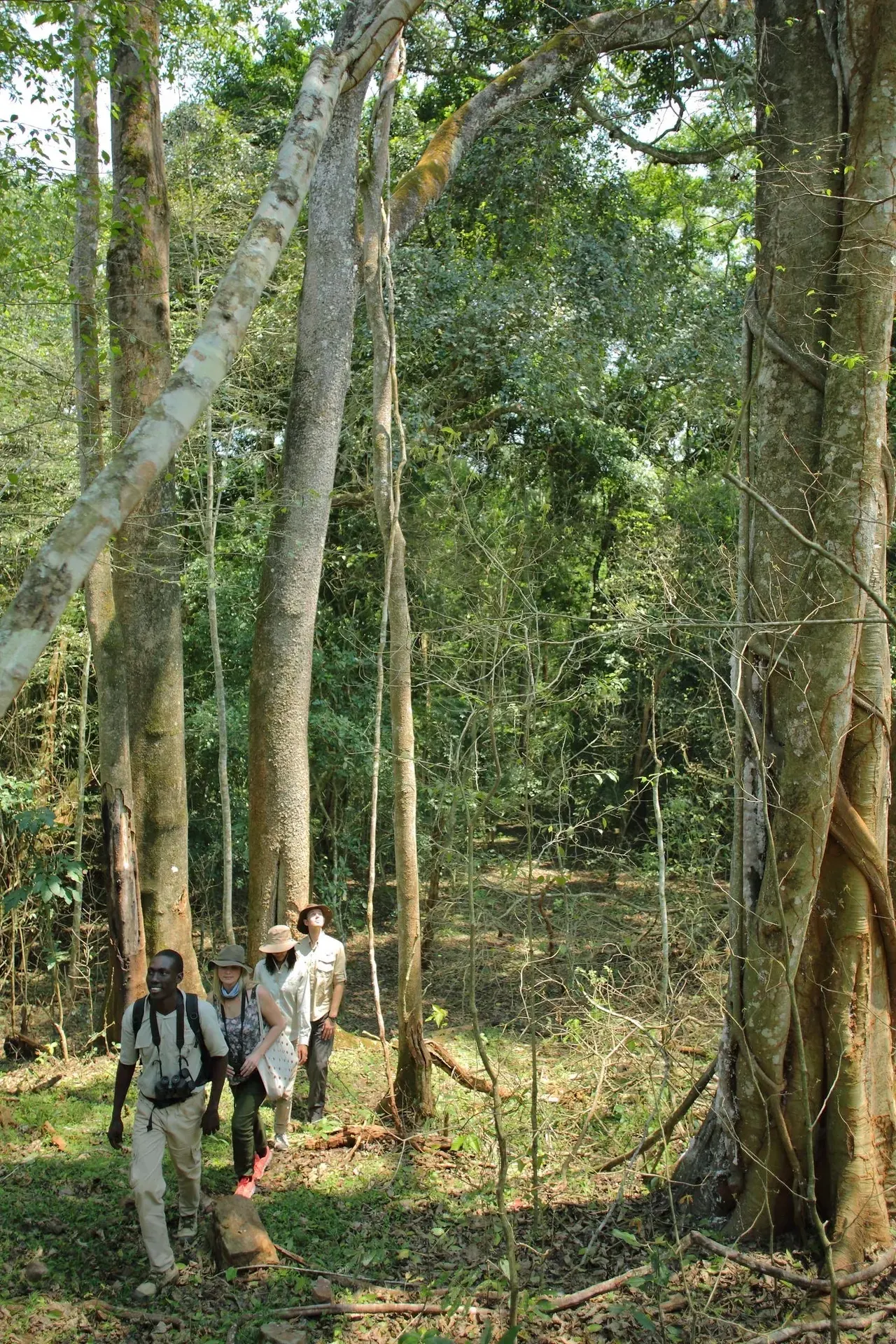
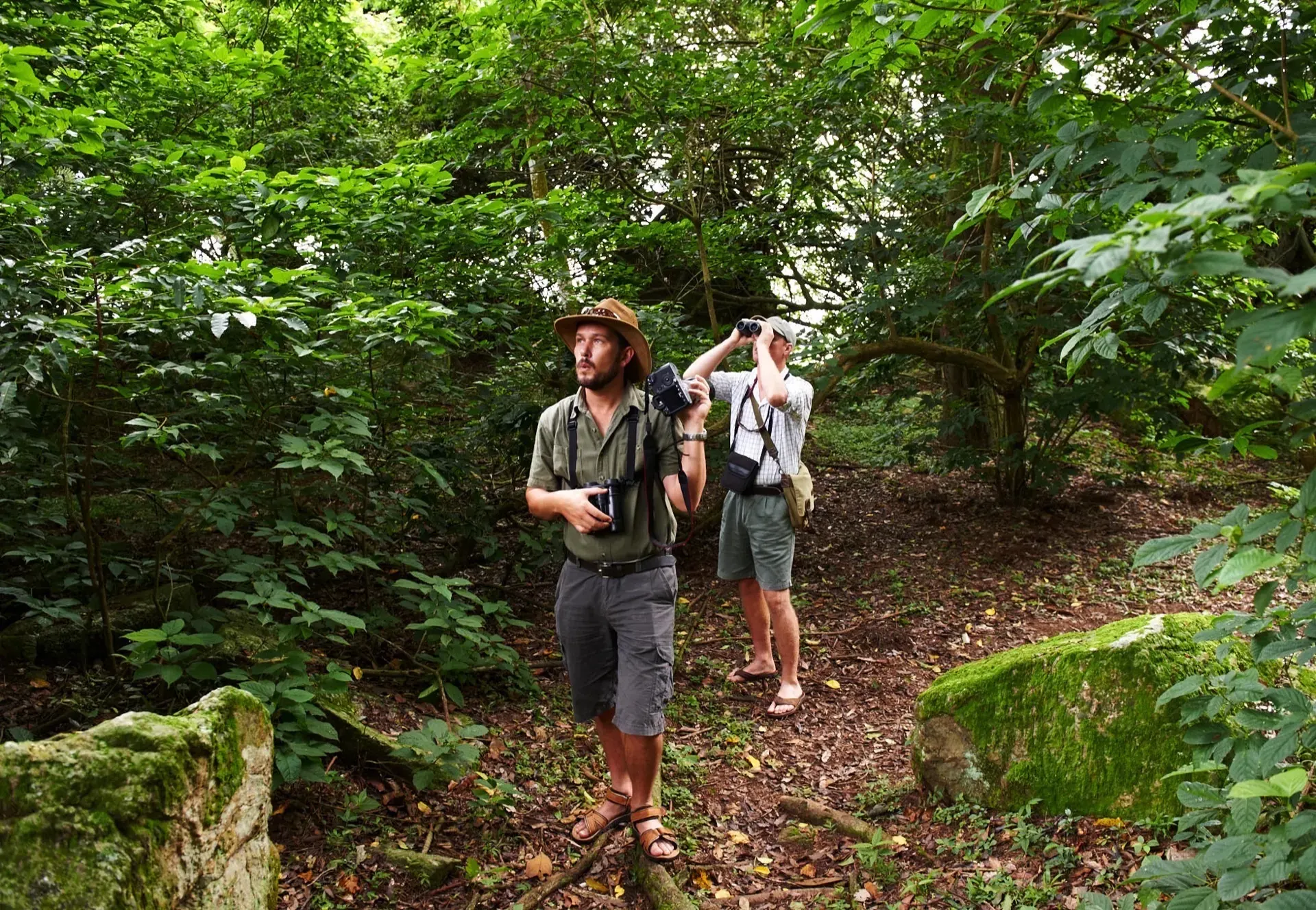
Kilimanjaro's lush lower forest zone shelters colobus monkeys, blue monkeys, forest elephant and over 180 recorded bird species a rewarding first day on the mountain.
Kilimanjaro's retreating summit glaciers, including the dramatic Southern Icefields crossed on the Lemosho route, are among the most visually striking and rapidly vanishing features on the mountain.
Explore the charming town of Moshi at Kilimanjaro's base, visiting coffee farms, craft markets and the vibrant Chagga culture of the mountain's farming communities.
The most popular and scenic route at 6–7 days, nicknamed the Whiskey Route for its steeper terrain, with stunning views throughout. Success rates of roughly 65–80% thanks to a strong acclimatisation profile.
Widely regarded as the finest route for acclimatisation and scenery 7–8 days approaching from the west, traversing the dramatic Southern Icefields before descending via Mweka. Success rates of roughly 65–80%.
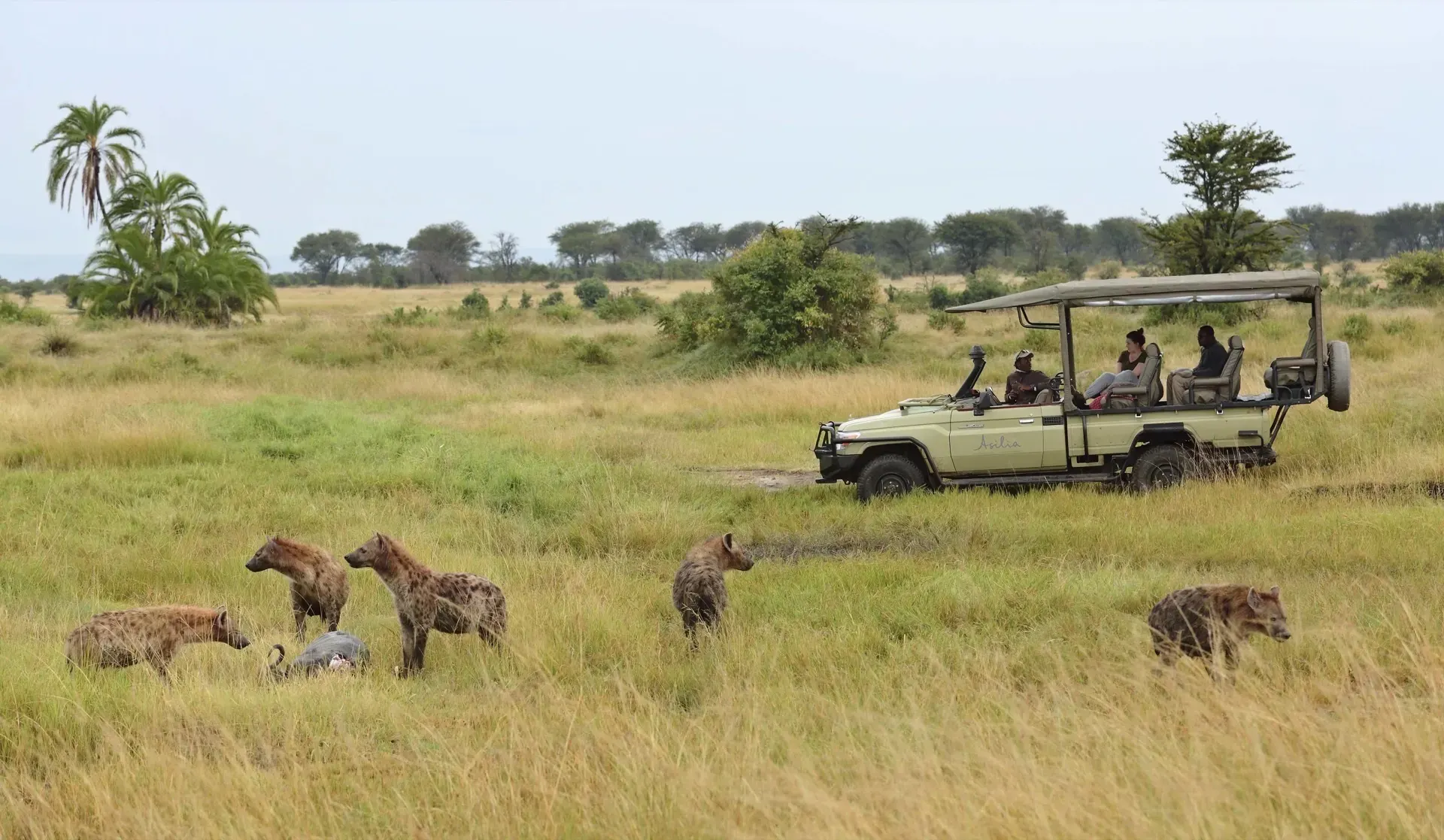
The most accessible route at 5–6 days, using hut accommodation rather than tents. Its shorter duration gives it the lowest summit success rate of the main routes, at roughly 30–40%.
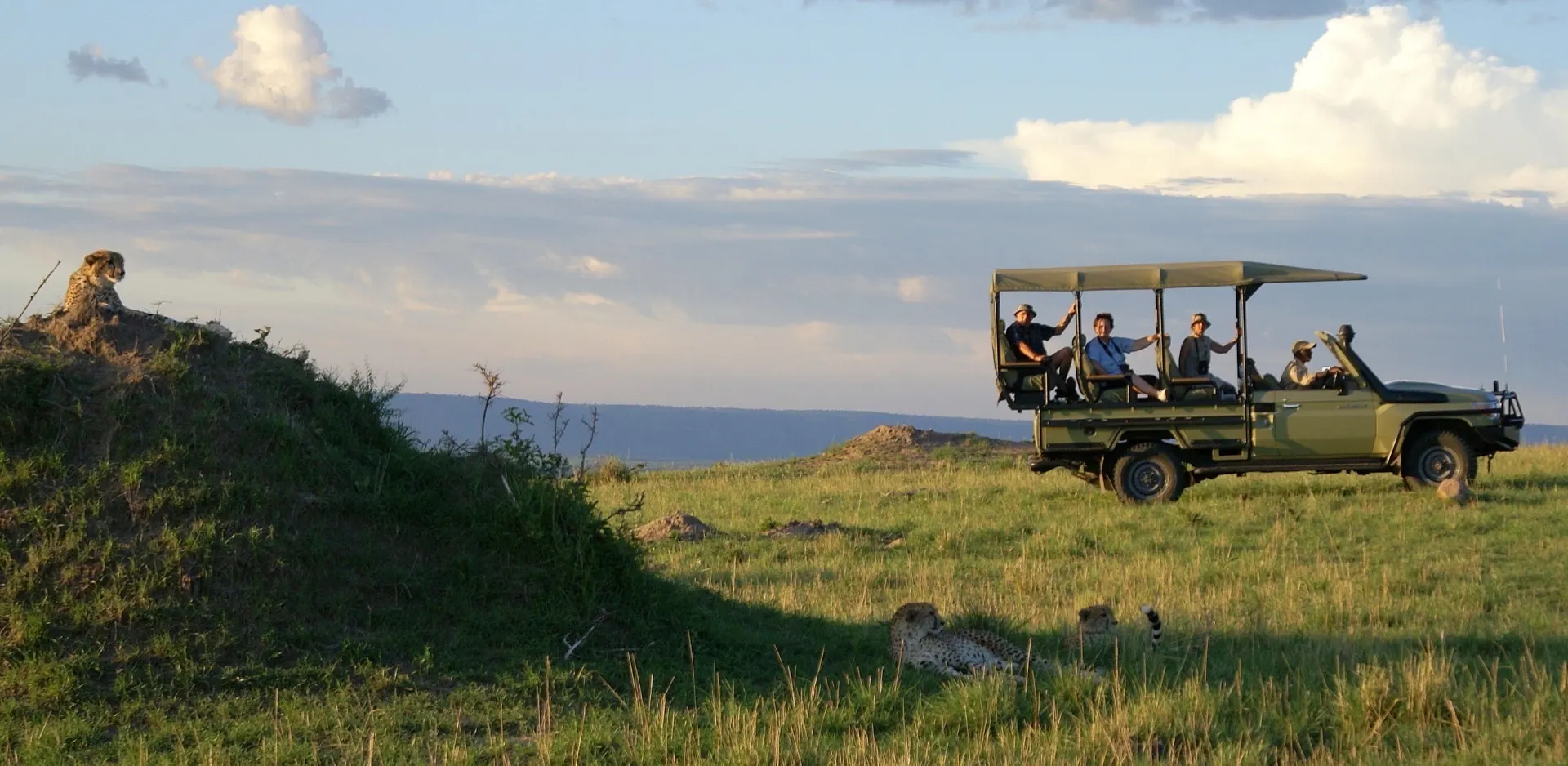
A 6–7 day approach from the north, offering a different geological and ecological perspective.
Kilimanjaro is served by Kilimanjaro International Airport (JRO), with connections from Nairobi, Dar es Salaam, Dubai, Amsterdam and other international destinations. The mountain's main gate towns of Marangu, Machame and Londorossi are 20–45 minutes from the nearby town of Moshi by road. Arusha is 90 minutes from Moshi.
Plan Your Journey
Our team handles all logistics airport transfers, cross-border road trips, and charter flights. Reach out and we'll design the smoothest route to suit your itinerary.
ENQUIRE NOWLuxury (Moshi)Aishi Machame Hotel comfortable rooms, good food, a relaxed pre- and post-climb base.
Luxury (Moshi)Kilimanjaro Mountain Resort well-earned recovery after the summit.
Mid-Range (Moshi)Keys Hotel a long-standing climbers' favourite.
Mid-Range (Moshi)Kindoroko Hotel right in central Moshi.
Mid-Range (Moshi)Chanya Lodge a quieter option.
Luxury (Moshi)Aishi Machame Hotel comfortable rooms, good food, a relaxed pre- and post-climb base.
Luxury (Moshi)Kilimanjaro Mountain Resort well-earned recovery after the summit.
Mid-Range (Moshi)Keys Hotel a long-standing climbers' favourite.
Mid-Range (Moshi)Kindoroko Hotel right in central Moshi.
Mid-Range (Moshi)Chanya Lodge a quieter option.