Travel Essentials
Know Before You Go
Practical information to make sure your safari runs effortlessly visas, packing, payments, tipping and trekking fitness.
Planning Your Safari
Pricing & Payments
Transparent pricing, fully itemised quotes, and flexible payment plans so you can focus on the adventure ahead.
How Our Pricing Works
Pricing is quoted per person, based on two people sharing a room or tent unless otherwise specified.
Rates vary by season high season (peak wildlife viewing) is priced differently from low/green season.
Group size, accommodation tier (midrange to luxury), and the specific properties on your itinerary all affect the final price.
Every quote is itemised, so you can see exactly what you're paying for.
What's Included & What's Not
- Accommodation as specified in your itinerary
- Meals as specified (full board unless noted)
- Game drives with a professional driver-guide
- Park entry and conservation fees
- Road transfers between destinations on your itinerary
- Bottled or filtered drinking water during game drives
Payment Details
Currency & Payment Methods
We accept bank transfer and major credit/debit cards. Card payments are processed securely and we never store your card details. We'll send payment reminders ahead of each due date, so there are no surprises.
Deposit & Balance
A 50% deposit confirms your booking. The remaining balance is due 45 days before departure. Permits and flights require 100% upfront at the time of booking.
Children's Rates
Children aged 0–2 travel free when sharing with a parent and not occupying a separate bed. Children aged 3–11 sharing with an adult are charged at a reduced rate. Minimum age policies vary by property.
Single Supplement
Travelling solo? A single supplement applies if you'd like your own room or tent rather than sharing. Let us know at the time of booking and we'll quote accordingly.
Payment Policy
A 50% deposit is required to confirm your booking and secure your dates. The full balance is due 45 days before the departure date. Please note that permits (e.g., Gorilla/Chimpanzee) and international/domestic flights must be paid 100% upfront at the time of booking due to third-party requirements.
Cancellation Policy
Our cancellation policy is based on the time before departure:
- 90+ days before departure: Full refund.
- 45-89 days before departure: 30% cancellation fee (forfeiture of deposit).
- Less than 45 days before departure: 100% cancellation fee.
All cancellations must be submitted in writing. We strongly recommend mandatory travel insurance to cover unforeseen circumstances.
Booking Terms
The details that protect both you and us, so your trip runs exactly as planned. By paying your deposit, you confirm that you accept the terms below.
- A booking is provisional until we receive your signed booking form and deposit payment.
- Once your deposit is received, we will issue a written confirmation and your trip is considered booked.
- Availability of accommodation, vehicles and guides is not guaranteed until confirmed in writing.
- A non-refundable deposit of 50% of the total trip cost is due at the time of booking.
- The remaining balance is due no later than 45 days before your departure date.
- For bookings made within 45 days of departure, full payment is required at the time of booking.
- Permits (gorilla/chimpanzee) and international or domestic flights must be paid 100% upfront due to third-party requirements.
Cancellations must be submitted in writing. The following charges apply, calculated from the date we receive your written notice:
| Time before departure | Cancellation charge |
|---|---|
| More than 90 days | Full refund |
| 45–89 days | 30% of total trip cost |
| Less than 45 days / no-show | 100% of total trip cost |
Deposits are non-refundable in all circumstances. We strongly recommend travel insurance that includes trip cancellation cover.
- Requests to amend travel dates or itinerary details are subject to availability and may incur additional charges from our accommodation and transport partners.
- Name changes on a confirmed booking must be requested at least 14 days before departure.
- Comprehensive travel insurance is mandatory for all Still Wild Safaris guests, including cover for medical treatment, emergency evacuation, repatriation, and trip cancellation.
- Proof of valid insurance may be requested before departure.
- Guests must disclose any medical condition, mobility need, or dietary requirement that may affect their trip at the time of booking, so we can plan accordingly.
- We recommend visiting a travel health clinic at least 4–6 weeks before departure for advice on vaccinations and malaria prevention.
- Certain activities (walking safaris, water-based activities, high-altitude travel) may have minimum age or fitness requirements, noted on your itinerary.
Still Wild Safaris operates in some of the world's most precious wild spaces, and we ask every guest to help us protect them:
- Follow your guide's instructions at all times, particularly around wildlife distance and vehicle off-track driving rules.
- Do not feed, touch, or attempt to approach wildlife.
- Respect park and conservancy rules on noise, drones, and waste.
- Safari travel involves inherent risks, including those related to wildlife, terrain, weather, and remote locations. Guests participate at their own risk.
- Still Wild Safaris is not liable for losses, delays, or costs arising from circumstances beyond our reasonable control, including those covered under Force Majeure below.
Still Wild Safaris is not liable for any failure to perform its obligations where that failure results from circumstances beyond our reasonable control, including but not limited to natural disasters, civil unrest, government action, pandemic-related restrictions, or park/border closures.
These terms are governed by the applicable laws of Uganda. Questions about these terms before you book? Get in touch we're happy to walk you through anything.
Visa and Entry Requirements for East Africa
Most visitors require a visa for entry into Uganda and Rwanda. The East African Tourist Visa (EATV) is highly recommended as it covers Uganda, Rwanda, and Kenya. Please check the latest requirements with your local embassy well in advance of your travel date. Your passport must be valid for at least six months beyond your intended departure date.

Health (Vaccinations)
A Yellow Fever vaccination certificate is mandatory for entry into Uganda and Rwanda. Malaria is present in many areas; consult your doctor about appropriate prophylaxis. We also recommend routine vaccinations (Tetanus, Hepatitis A & B). We recommend visiting a travel health clinic at least 4–6 weeks before departure. Always carry personal medications and a basic first-aid kit.
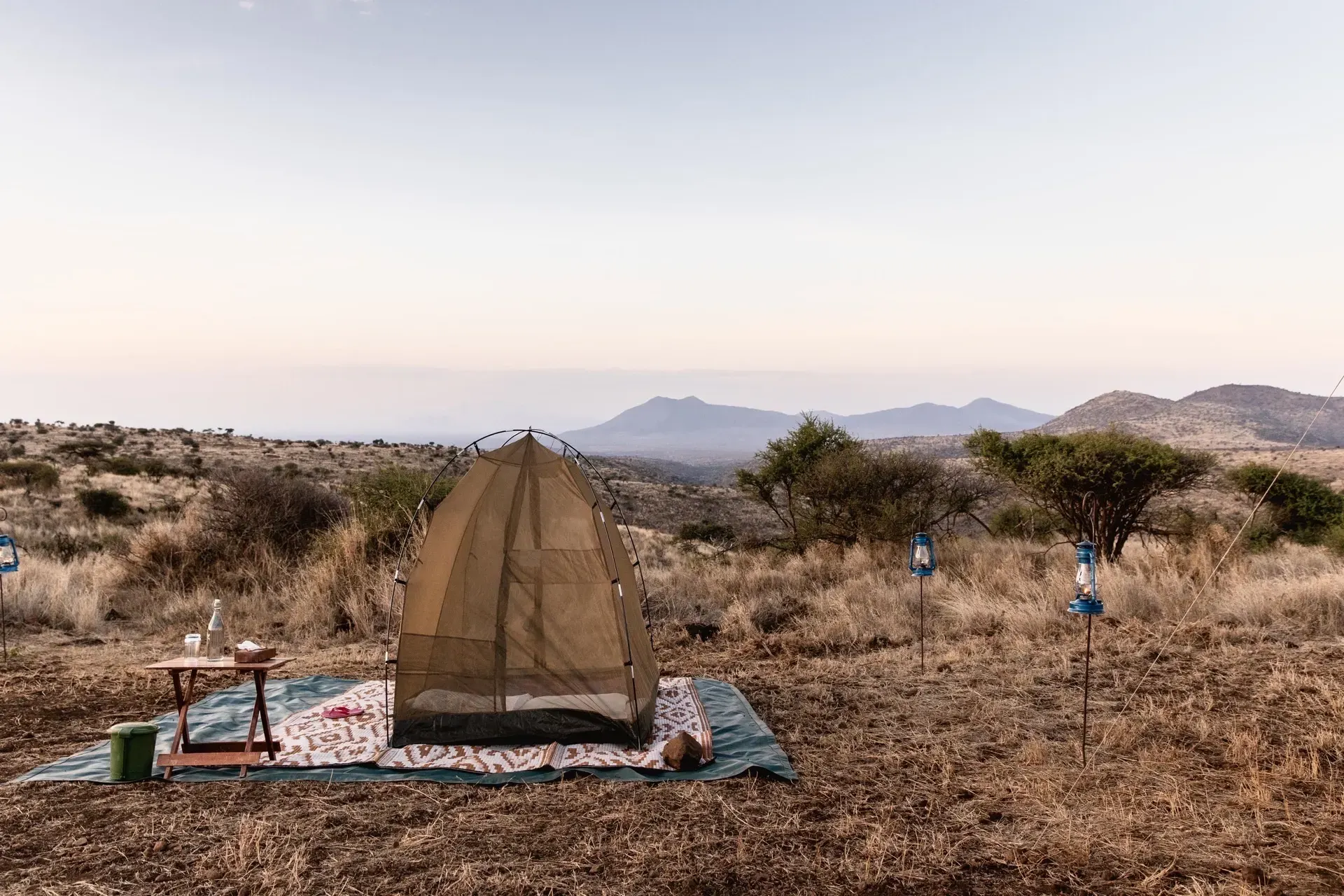
Packing List
Everything you need for a comfortable, safari-ready trip and nothing you don't. Packing for a safari is less about packing more, and more about packing right.
Clothing
- Neutral-coloured clothing khaki, olive, sand and brown blend into the bush and won't startle wildlife. Avoid bright white and dark blue or black (attracts tsetse flies in some areas).
- Lightweight, long-sleeved shirts and trousers for sun and insect protection, especially at dawn and dusk.
- A warm fleece or light jacket early morning game drives can be surprisingly cold, even in the dry season.
- A light rain jacket if travelling in the wetter months.
- Comfortable shorts or t-shirts for warm afternoons at camp.
- Swimwear, if your lodge or camp has a pool.
- A wide-brimmed hat or cap for sun protection.
Footwear
- Comfortable closed walking shoes for game drives and short walks.
- Sandals or flip-flops for relaxing around camp.
- Sturdy boots if your itinerary includes a guided nature walk or trek.
Health & Toiletries
- Any personal medication in its original packaging, plus a copy of the prescription.
- Anti-malarial medication, if prescribed by your doctor please consult a travel clinic before departure.
- Insect repellent, ideally DEET-based, for evenings and early mornings.
- Sunscreen (reef- and eco-safe where your itinerary includes lake or coastal areas).
- A small personal first-aid kit plasters, rehydration salts, basic pain relief.
- Hand sanitiser and travel-size toiletries.
Gear & Accessories
- Binoculars a must for spotting wildlife at a distance.
- Camera, spare batteries and memory cards.
- A reusable water bottle.
- A power bank and a universal travel adapter (East Africa uses Type G/D, 220–240V).
- A small daypack for game drives.
- A headlamp or torch for camps without 24-hour power.
- A soft-sided duffel bag rather than a hard suitcase easier to pack into safari vehicles and small aircraft.
Documents & Money
- Passport, valid for at least 6 months beyond your travel dates.
- Visa or e-visa confirmation, if required for your nationality.
- Proof of travel insurance, including medical evacuation cover.
- A printed or digital copy of your booking confirmation and itinerary.
- Cash for tips, curios and any items not included in your package.
What NOT to Bring
Camouflage clothing
Reserved for military use and restricted for civilians in several East African countries.
Drones
Unless you've confirmed the destination park permits them and you hold the required permit.
Single-use plastic bags
Several parks and reserves have banned them entirely.
Section 06
Climate at a Glance
Exact temperatures vary by region and altitude your itinerary will include more specific guidance.
Dry Season
Jun – Oct
Short Rains
Nov
Long Rains
Mar – May
Tipping and Local Etiquette
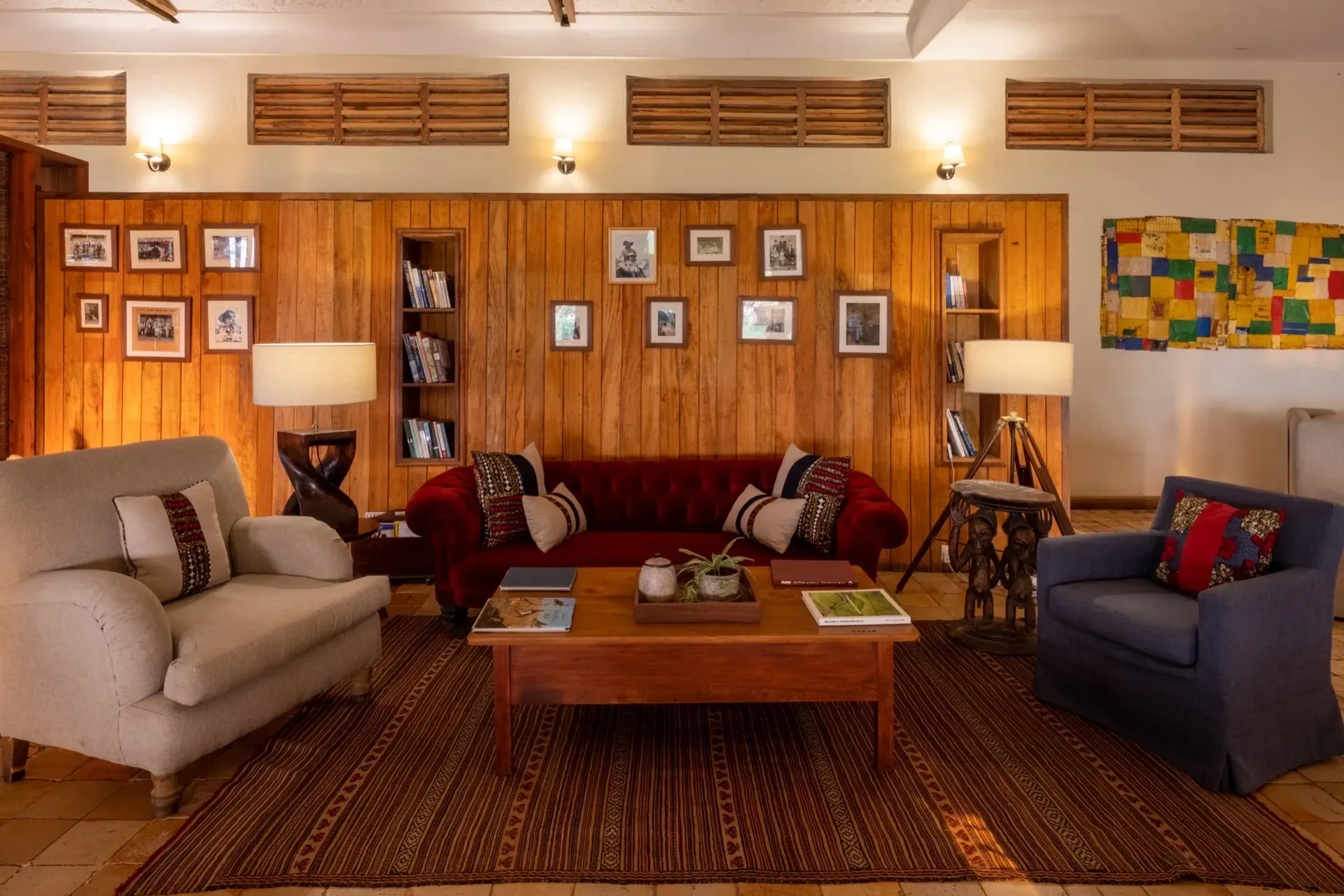
Tipping is customary and a significant part of the income for guides, drivers, and lodge staff. We provide a suggested tipping guideline in your final itinerary. Always ask permission before taking photographs of local people, and respect local customs and traditions. Learning a few words of the local language is appreciated.
Our Commitment
Keep My Safari Green
Wild places stay wild because of the choices we make before, during, and after every trip. Keep My Safari Green is Still Wild Safaris' promise: that the wonder you experience on your trip doesn't come at the cost of the places that make it possible. It shapes who we partner with, how we operate, and what we ask of every guest who travels with us.
East Africa's parks and reserves are under real pressure from habitat loss, climate change, and the sheer popularity of the destinations that draw travellers here in the first place. Responsible tourism isn't a marketing line for us; it's the difference between these landscapes thriving for the next generation, or not.

How We Operate Responsibly
- We work with accommodation and transport partners who meet our own environmental standards not just the ones with the best views.
- A portion of every park entry and conservation fee on your itinerary goes directly toward anti-poaching efforts, habitat protection, and wildlife research.
- We prioritise hiring guides, drivers, and camp staff from the communities neighbouring the parks we operate in, so tourism revenue stays local.
- We keep group sizes manageable and routes considerate of wildlife, reducing pressure on high-traffic viewing areas.
- We actively reduce single-use plastics across our own operations and encourage our partners to do the same.
Where Your Money Goes
Park & Conservation Fees
Anti-poaching patrols, habitat protection, and wildlife research across the parks we visit
Local Guides & Crew
Our team is hired from communities neighbouring the parks we operate in
Community Partnerships
Schools, clean water projects, and craft cooperatives supported through our community fund
Camp & Lodge Partners
Selected for their own conservation and sustainability practices, not just their views
How You Can Travel Green With Us
Sustainability on safari isn't just about what we do behind the scenes small choices from guests add up too.
- Bring a reusable water bottle and refill it at camp, rather than buying bottled water at every stop.
- Choose reef- and eco-safe sunscreen and insect repellent, especially near lakes, rivers, and coastal waters.
- Keep a respectful distance from wildlife and follow your guide's lead for their safety and yours.
- Buy local where you can community cooperatives and local curio markets put your spending directly into the hands of the people who live alongside the wildlife you've come to see.
- Leave every campsite, viewpoint, and trail exactly as you found it. Nothing taken, nothing left behind.
Safari FAQ for East Africa
Answers to the questions we hear most before guests travel with us.
Still have questions? Reach out any time we're always happy to help you plan with confidence.