Still Wild Safaris
Lake Manyara National Park

Lake Manyara National Park

A compact Rift Valley gem famous for tree-climbing lions, flamingo-filled soda-lake shores, and a groundwater forest of primates — Ernest Hemingway's 'Green Hills of Africa' and the perfect opening chapter to a northern Tanzania circuit.

Overview

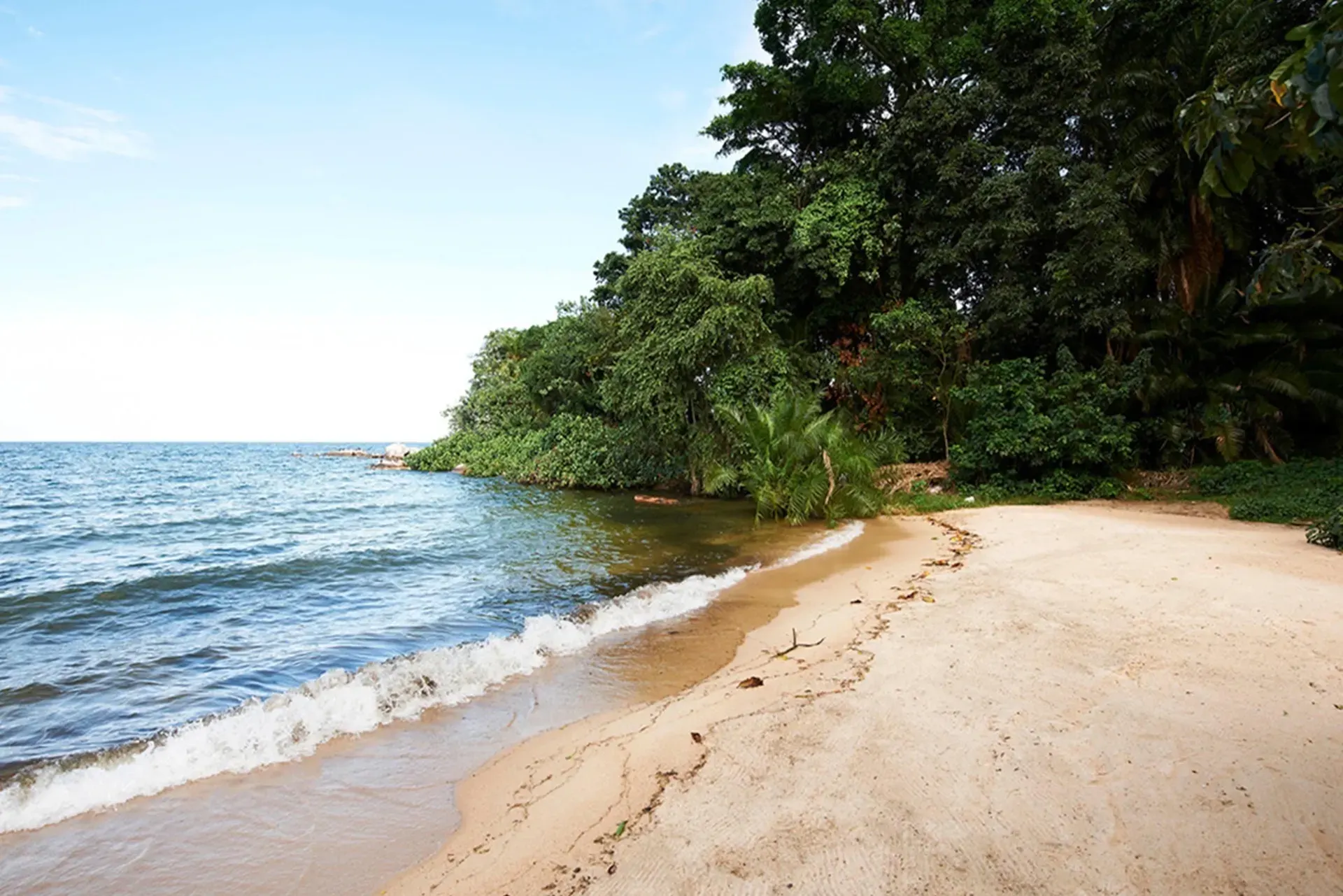
Lake Manyara National Park is one of Tanzania's most compact and yet surprisingly diverse wildlife destinations — a narrow strip of land between the dramatic Rift Valley escarpment and the soda shores of Lake Manyara, covering just 325 square kilometres but harbouring exceptional wildlife and one of East Africa's most famous animal behavioural curiosities: lions that climb trees. The park was immortalised by Ernest Hemingway in The Green Hills of Africa, and its tree-climbing lions — large prides that regularly lounge in the branches of acacia and sycamore fig trees — have fascinated wildlife biologists and delighted visitors for decades. While tree-climbing lion behaviour occurs in a few other locations across Africa, Manyara's lions do so with a frequency and regularity that makes sightings relatively predictable for patient visitors. Lake Manyara itself is an alkaline soda lake that periodically hosts hundreds of thousands of lesser flamingos, turning the lake shore spectacular pink; even when flamingo concentrations are lower, the shores support pelicans, marabou storks, yellow-billed storks and hundreds of other waterbird species. The park's habitat diversity is remarkable for its size — groundwater forest at the escarpment base shelters olive baboons, blue monkeys and red-tailed monkeys, open savannah and acacia woodland support elephant, impala, zebra and giraffe, and the lake margins draw hippopotamus, water mongoose and a staggering diversity of aquatic birds. Manyara's richness makes it a perfect opening or closing chapter for any Tanzania northern circuit, complementing the Serengeti and Ngorongoro with its intimate, accessible scale.

Lake at a Glance

Location
Northern Tanzania, Rift Valley
Size
325 km²
Altitude
960 — 1,830 m
Best Time to Visit
Year-round (driest June–October & January–February)

Key Attractions

Tree-Climbing Lions

Tree-Climbing Lions

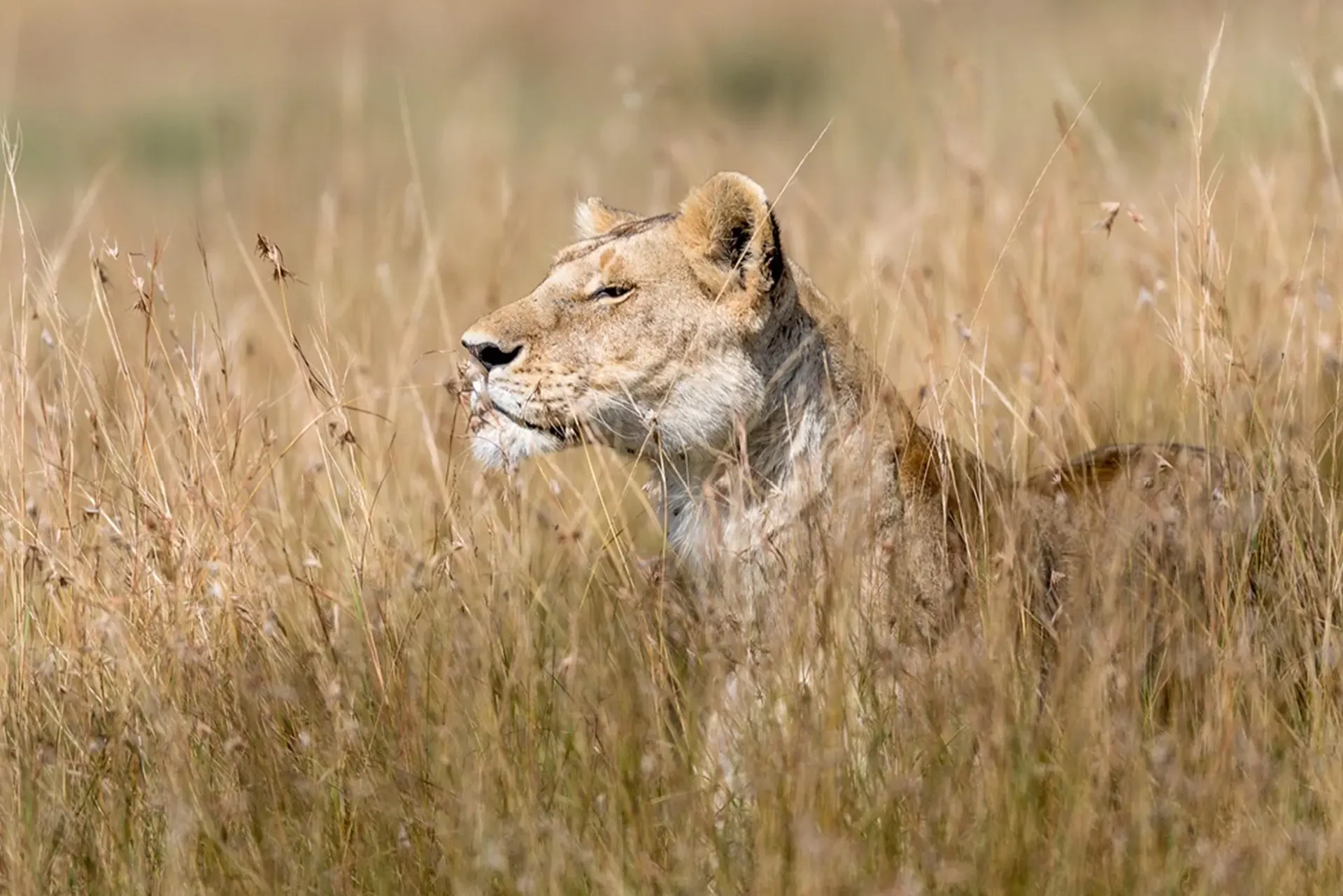
Manyara's most famous residents — prides that regularly lounge in the branches of acacia and sycamore fig trees, a behaviour immortalised by Ernest Hemingway in The Green Hills of Africa and seen here more predictably than almost anywhere else in Africa.
Alkaline Soda Lake & Flamingo Flocks

Alkaline Soda Lake & Flamingo Flocks

Lake Manyara's alkaline waters periodically host hundreds of thousands of lesser flamingos, turning the shoreline pink, alongside pelicans, marabou storks and yellow-billed storks.

Groundwater Forest Primates

Groundwater Forest Primates

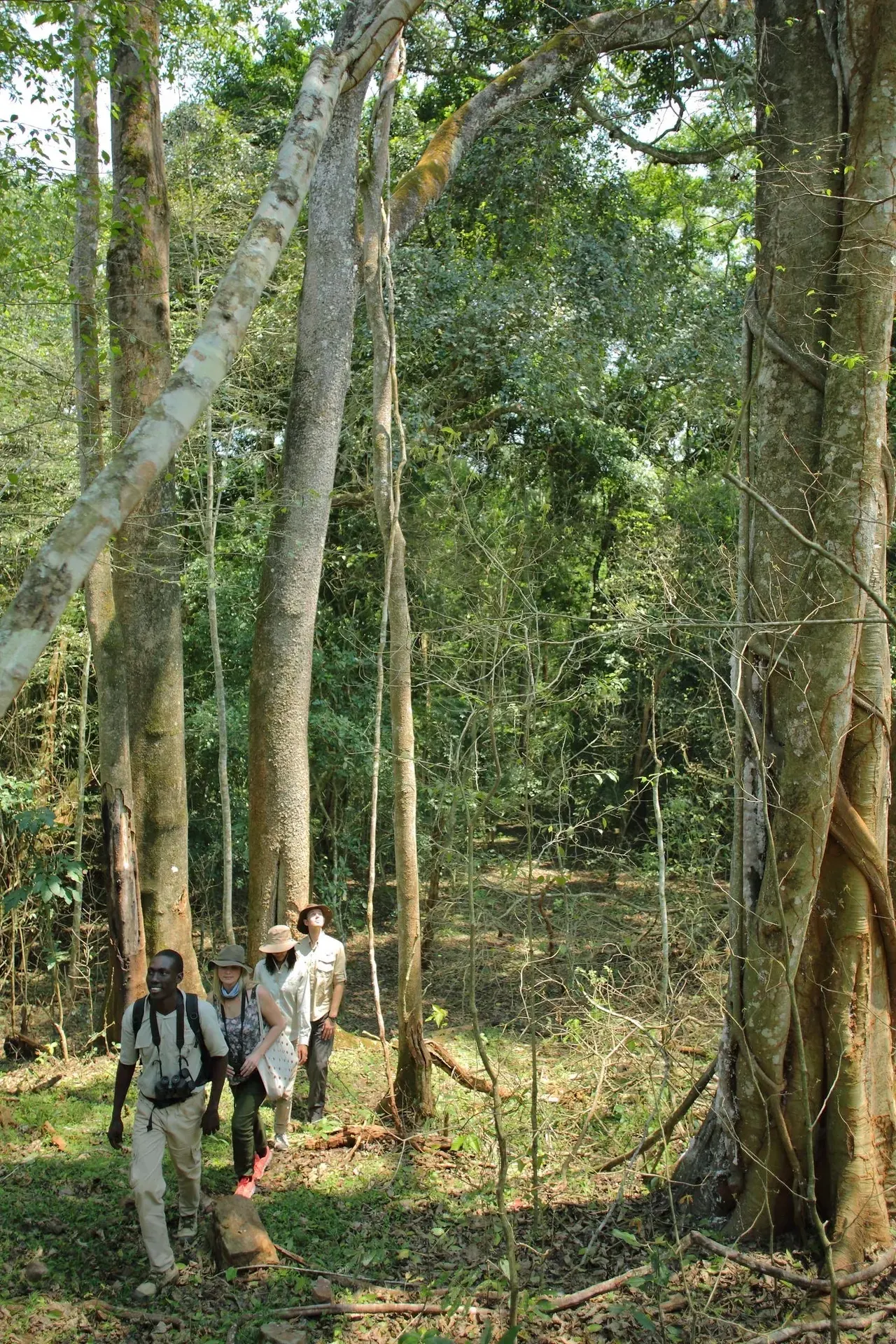
The lush groundwater forest at the base of the Rift Valley escarpment shelters olive baboons, blue monkeys and red-tailed monkeys alongside Manyara's forest elephants.

Rift Valley Escarpment Viewpoint

Rift Valley Escarpment Viewpoint

A drive to the top of the escarpment above the park delivers a panoramic view of Lake Manyara spread below, with the Rift Valley extending to the horizon.

Diverse Habitats in a Compact Park

Diverse Habitats in a Compact Park

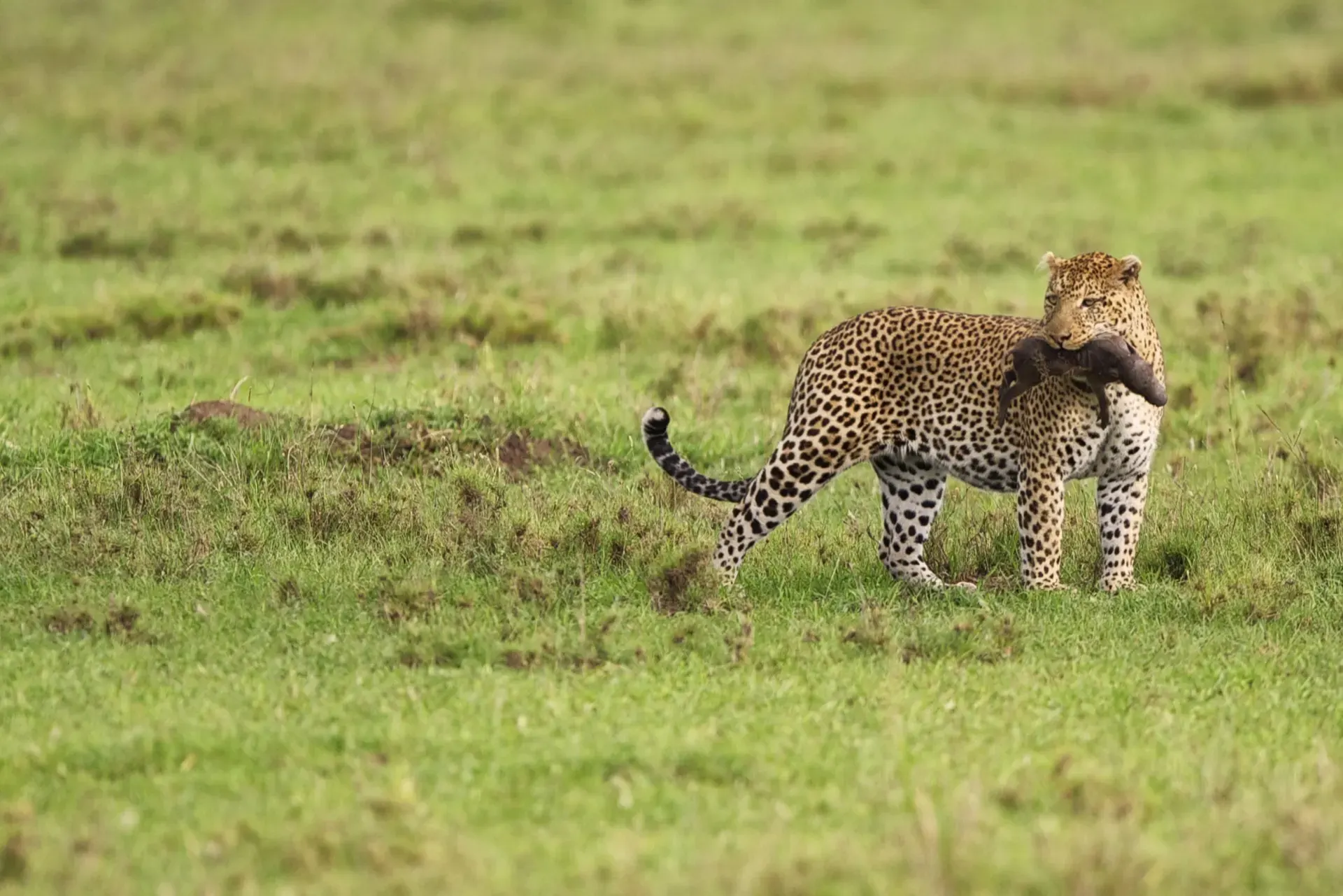
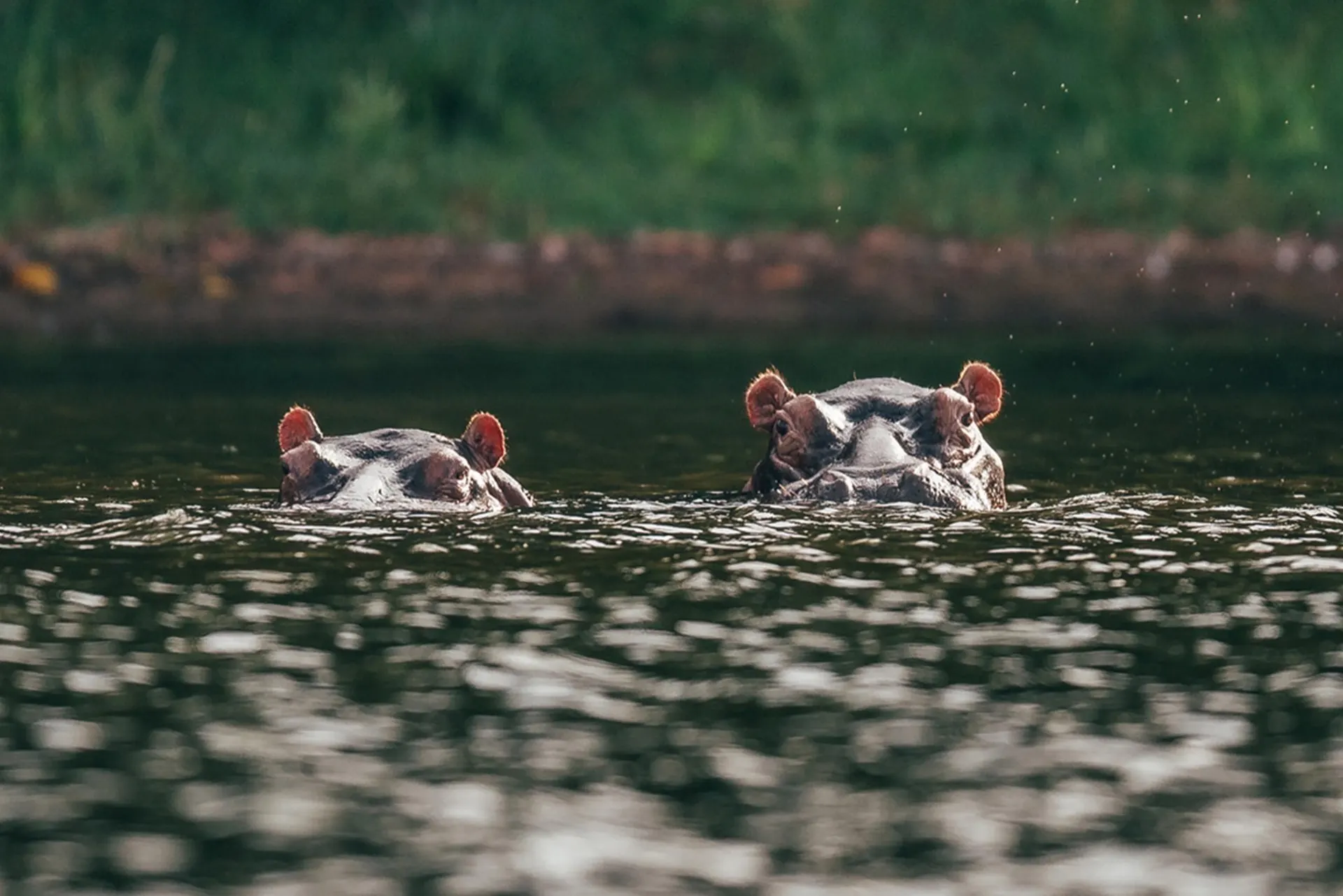
Open savannah and acacia woodland support elephant, impala, zebra and giraffe, while the lake and its margins draw hippopotamus, water mongoose and an exceptional diversity of aquatic birds — remarkable range for such a small park.

Getting There

Lake Manyara is approximately 2 hours by road from Arusha (130km) on the well-maintained A104 highway. The park gate sits on the western edge of the Rift Valley below the escarpment. Manyara Airport is 8km from the gate and receives scheduled flights from Arusha and Dar es Salaam.

Plan Your Journey

Our team handles all logistics — airport transfers, cross-border road trips, and charter flights. Reach out and we'll design the smoothest route to suit your itinerary.

ENQUIRE NOW

Where to Stay

andBeyond Lake Manyara Tree Lodge
Luxury

andBeyond Lake Manyara Tree Lodge

built on stilts within the groundwater forest, immersive and intimate, right among the trees the tree-climbing lions favour.

Chem Chem Lodge
Luxury

Chem Chem Lodge

refined luxury just outside the park with access to a private conservancy.

Gibb's Farm (Karatu)
Luxury

Gibb's Farm (Karatu)

a beautifully restored coffee farm retreat with renowned cuisine and gardens, a relaxed stop between Manyara and Ngorongoro.

Lake Manyara Hotel
Mid-Range

Lake Manyara Hotel

TANAPA-run, perched on the escarpment rim with sweeping lake and valley views.

Serena Manyara
Mid-Range

Serena Manyara

comfortable and reliable.

andBeyond Lake Manyara Tree Lodge
Luxury

andBeyond Lake Manyara Tree Lodge

built on stilts within the groundwater forest, immersive and intimate, right among the trees the tree-climbing lions favour.

Chem Chem Lodge
Luxury

Chem Chem Lodge

refined luxury just outside the park with access to a private conservancy.

Gibb's Farm (Karatu)
Luxury

Gibb's Farm (Karatu)

a beautifully restored coffee farm retreat with renowned cuisine and gardens, a relaxed stop between Manyara and Ngorongoro.

Lake Manyara Hotel
Mid-Range

Lake Manyara Hotel

TANAPA-run, perched on the escarpment rim with sweeping lake and valley views.

Serena Manyara
Mid-Range

Serena Manyara

comfortable and reliable.

Practical Information & Travel Tips

Tree-Climbing Lions
Sightings are never guaranteed. Patient morning drives with experienced guides offer the best chances, particularly in the acacia woodland area near the lake.
Flamingo Status
Flamingo numbers fluctuate with water levels and algae growth. Check with your operator for current lake conditions before including Manyara specifically for flamingos.
Park Size
Manyara is small — one full day is sufficient to cover the main park thoroughly.
Combining Parks
Manyara combines naturally with Ngorongoro (1 hour) and Tarangire (2 hours). Most northern circuit itineraries include all three.
Malaria
A malaria zone at lake level. Take prophylaxis and use insect repellent.
Crowds
Manyara's proximity to Arusha makes it popular for day trips. Start early to enjoy the park before day-trip vehicles arrive.

Frequently Asked Questions

The exact reason is debated by wildlife biologists. Possible explanations include escaping ground-level insects and heat, gaining vantage points for spotting prey, and avoiding aggression from other lion groups. Whatever the reason, the behaviour is well-established in Manyara's lions and provides remarkable wildlife viewing.