Still Wild Safaris
Tarangire National Park

Tarangire National Park

Tanzania's most underrated wildlife destination — ancient baobab-studded plains and dry-season elephant herds of 200-300 individuals along the Tarangire River, with a fraction of the Serengeti's crowds.

Overview

Tarangire National Park is Tanzania's most underrated wildlife destination and one of Africa's genuine hidden gems. Covering 2,850 square kilometres in the Manyara region south of Arusha, Tarangire is famous for its extraordinary baobab landscape — ancient sentinel trees of immense girth and character dotting open savannah plains that in the dry season host some of Africa's largest elephant concentrations outside Botswana. The Tarangire River is the park's lifeblood. During Tanzania's long dry season (June–October), when surrounding areas dry out completely, the Tarangire remains the only permanent water source in a vast region. As a result, wildlife from an enormous catchment area — well beyond the park's boundaries — converges on the river in spectacular concentrations. Elephant herds of 200–300 individuals are a routine dry-season sighting, while lion prides, leopard, cheetah, wild dog and enormous herds of buffalo follow the water and the prey. The bird diversity is staggering — over 550 species recorded, including large numbers of dry-country specials and migrant species. What makes Tarangire additionally special is what it lacks: the crowds. Receiving a fraction of the visitors that the Serengeti and Ngorongoro attract, Tarangire delivers genuinely private game drive experiences in a landscape of extraordinary beauty. For travellers combining Tanzania's northern circuit, Tarangire is the perfect opening act — a spectacular introduction to East African wildlife that prepares and excites visitors for the vastness of the Serengeti to come.

Tarangire at a Glance

Location
Manyara Region, south of Arusha
Size
2,850 km²
Altitude
1,000 — 1,500 m
Best Time to Visit
June–October (dry season, peak elephant concentrations)

Key Attractions

Tarangire River Elephant Herds

Tarangire River Elephant Herds

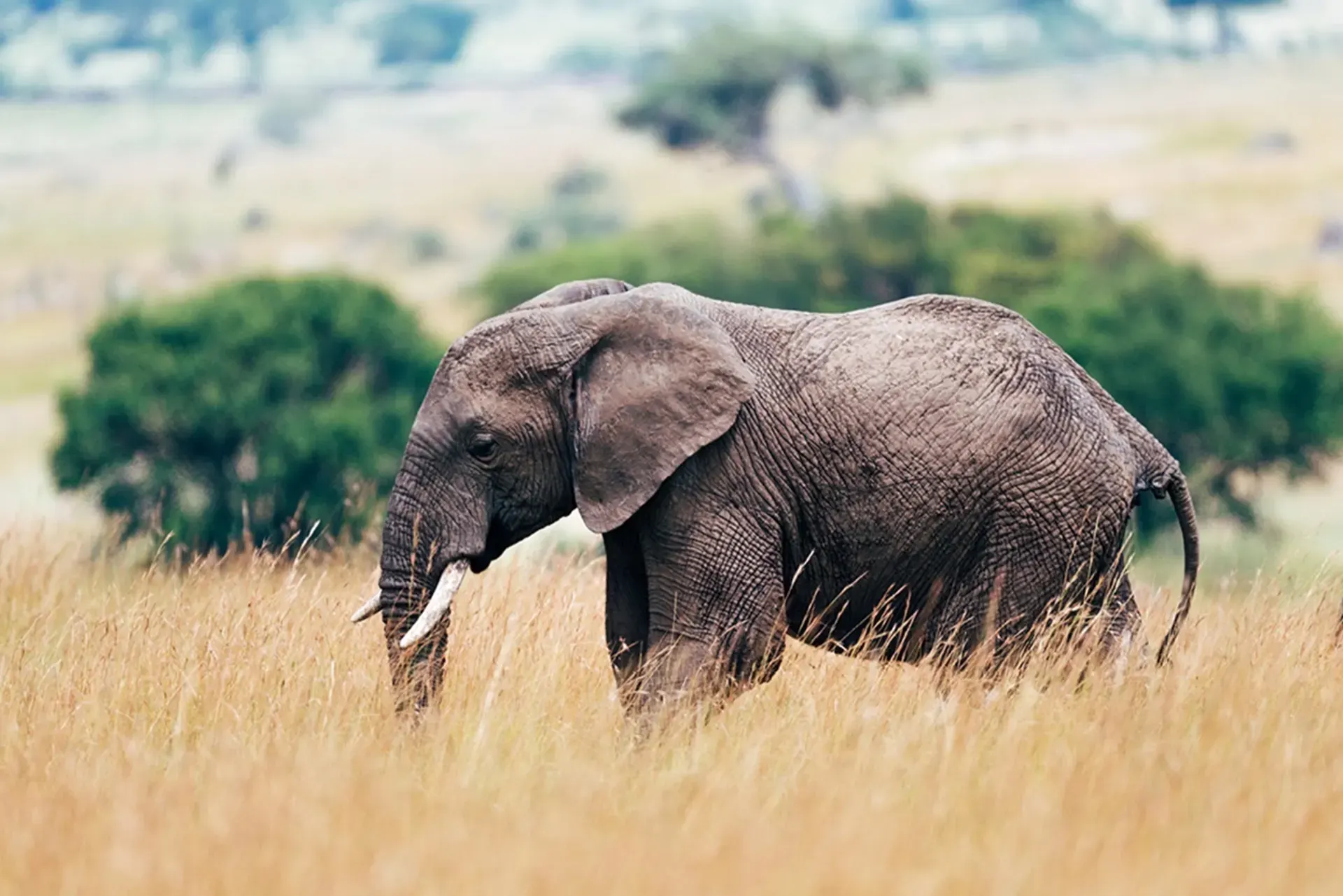
During the dry season, elephant herds of 200–300 individuals gather along the Tarangire River — among the largest elephant concentrations anywhere in Africa outside Botswana, drinking, bathing and socialising within a single river valley.
Ancient Baobab Landscape

Ancient Baobab Landscape

Tarangire's open savannah is studded with ancient baobabs of immense girth and character — the classic scene of an elephant family grazing beneath a baobab against a mountain horizon is one of Africa's most beautiful and most photographed safari images.

Prolific Birdlife

Prolific Birdlife

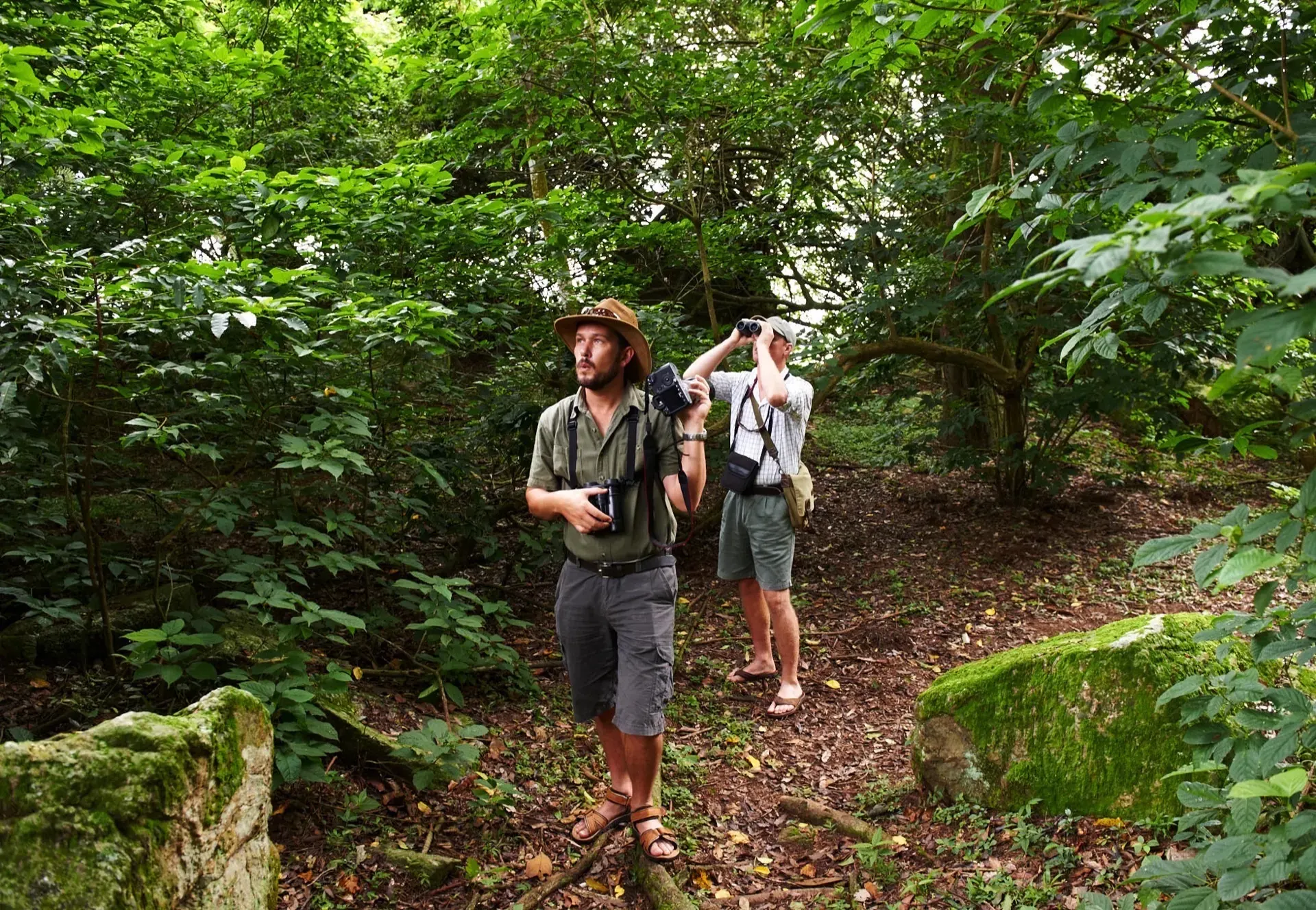
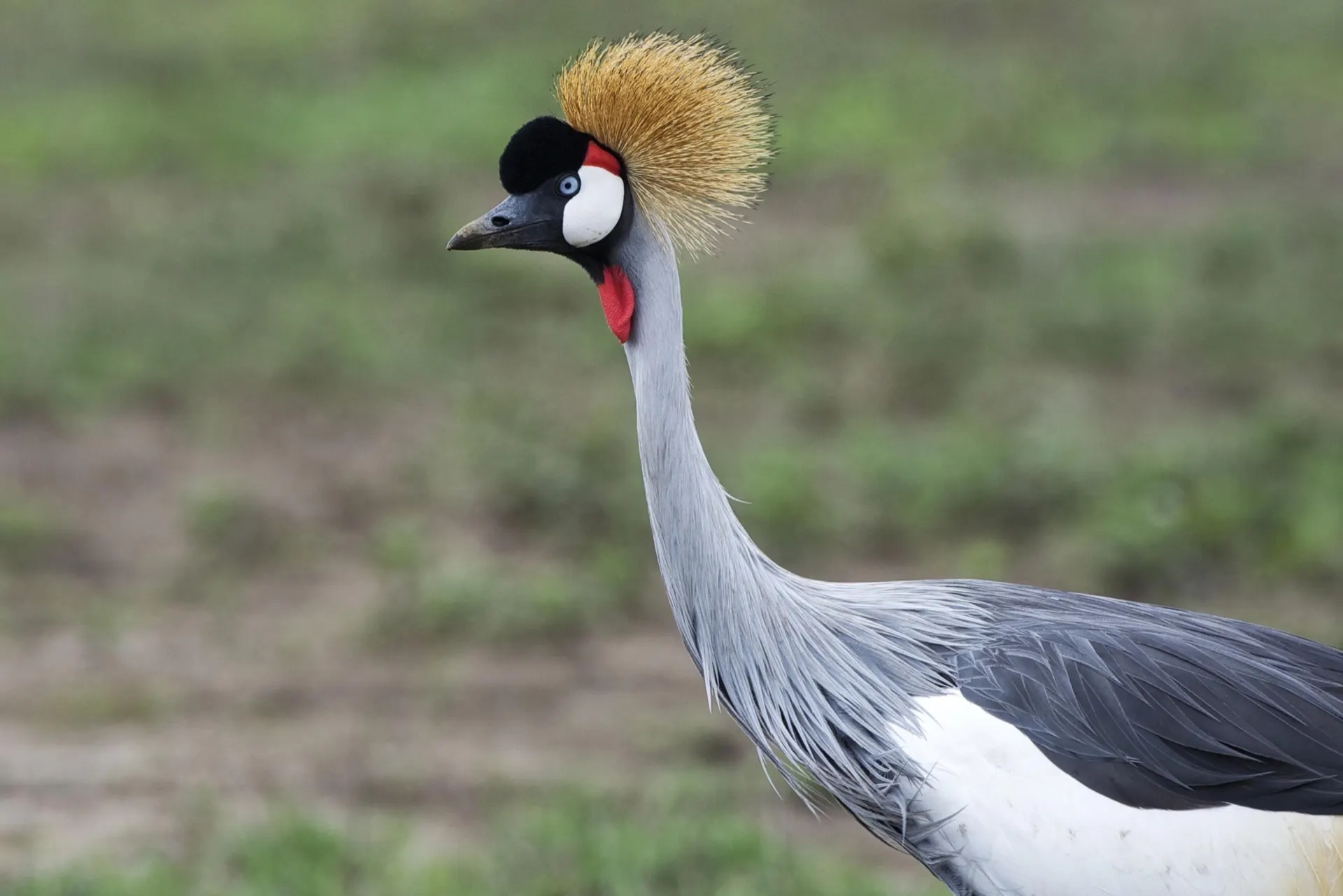
Over 550 bird species have been recorded in Tarangire, including large numbers of dry-country specials and migrants — a genuine paradise for birders alongside the exceptional mammal viewing.

Lion, Leopard, Cheetah & Wild Dog

Lion, Leopard, Cheetah & Wild Dog

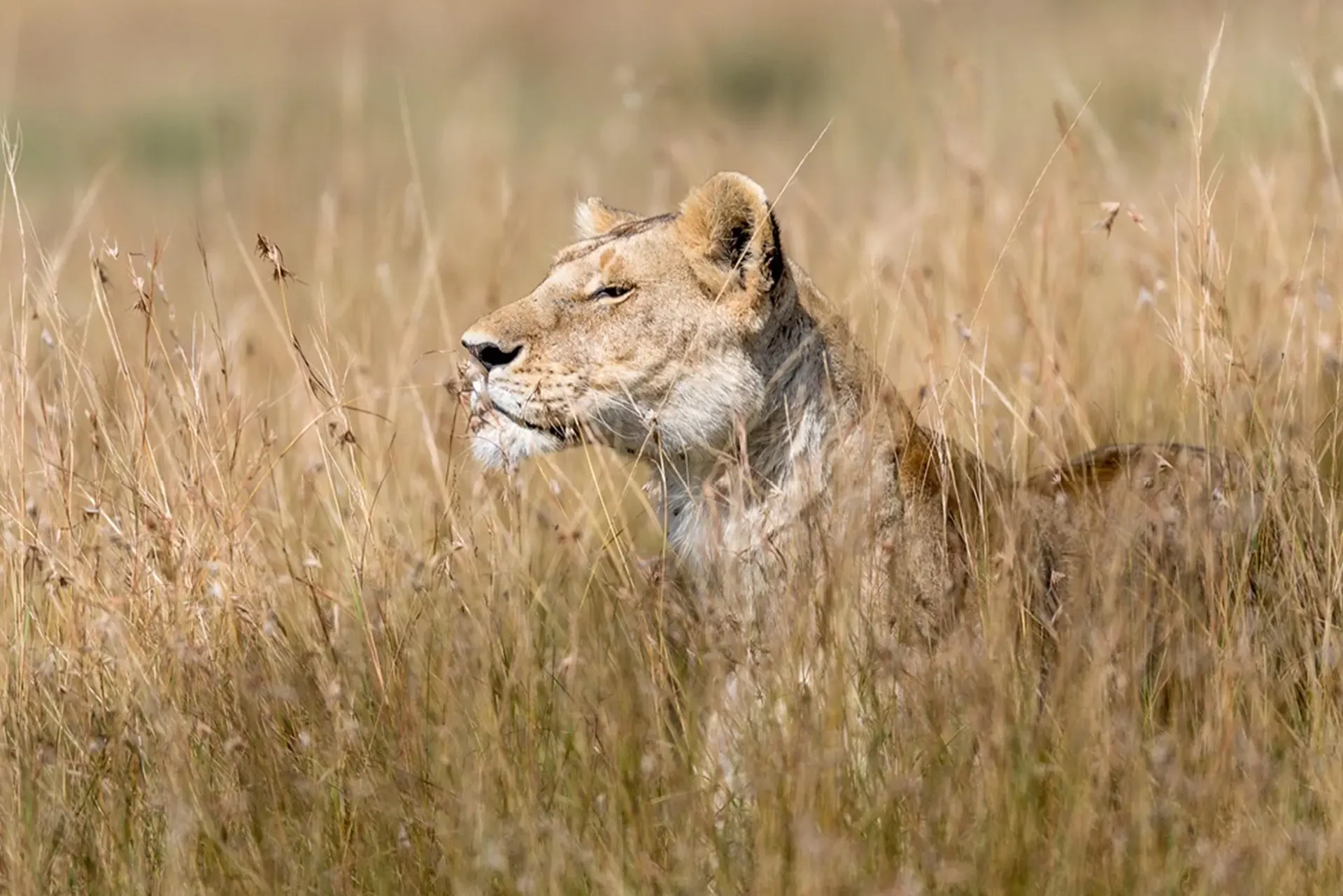
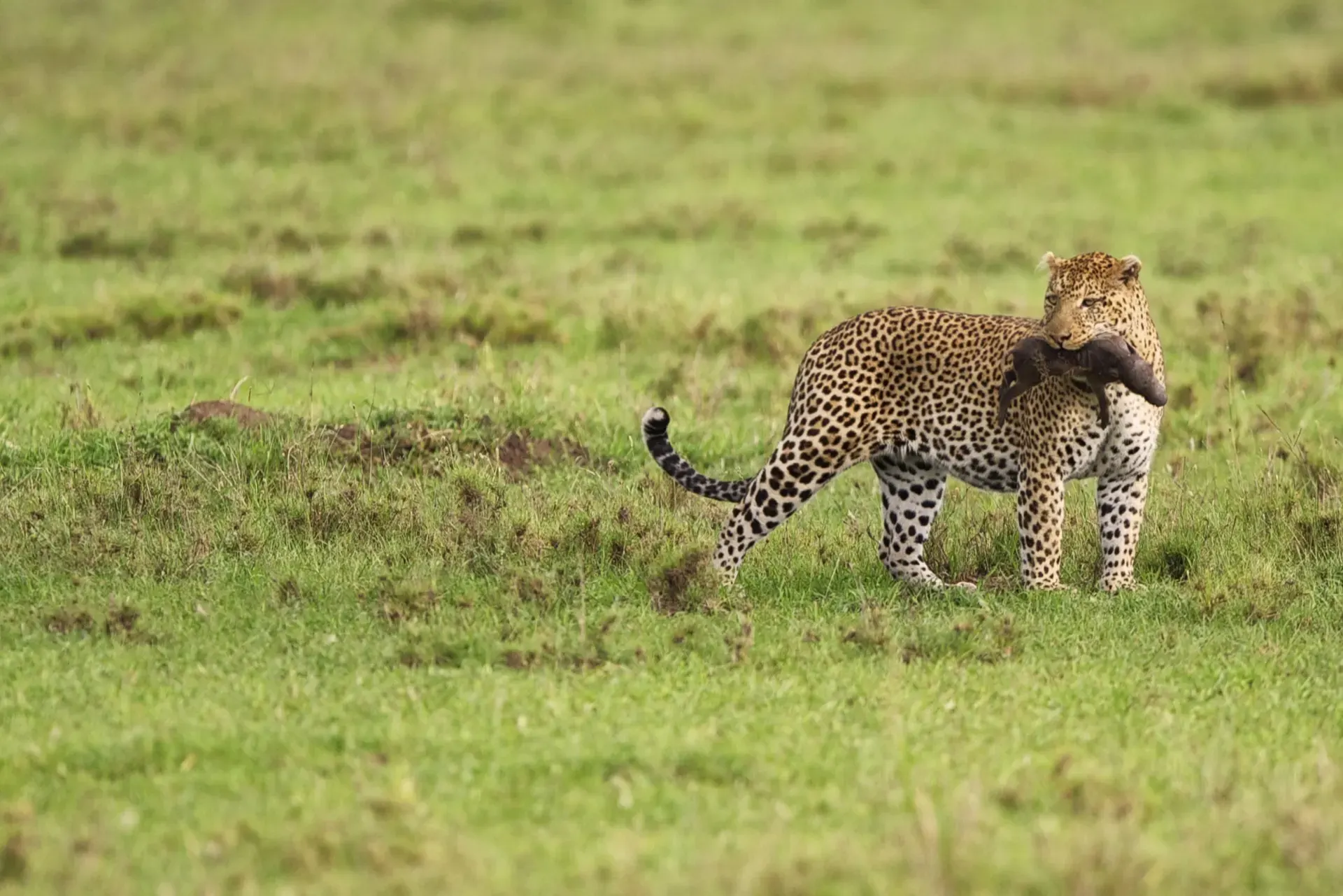
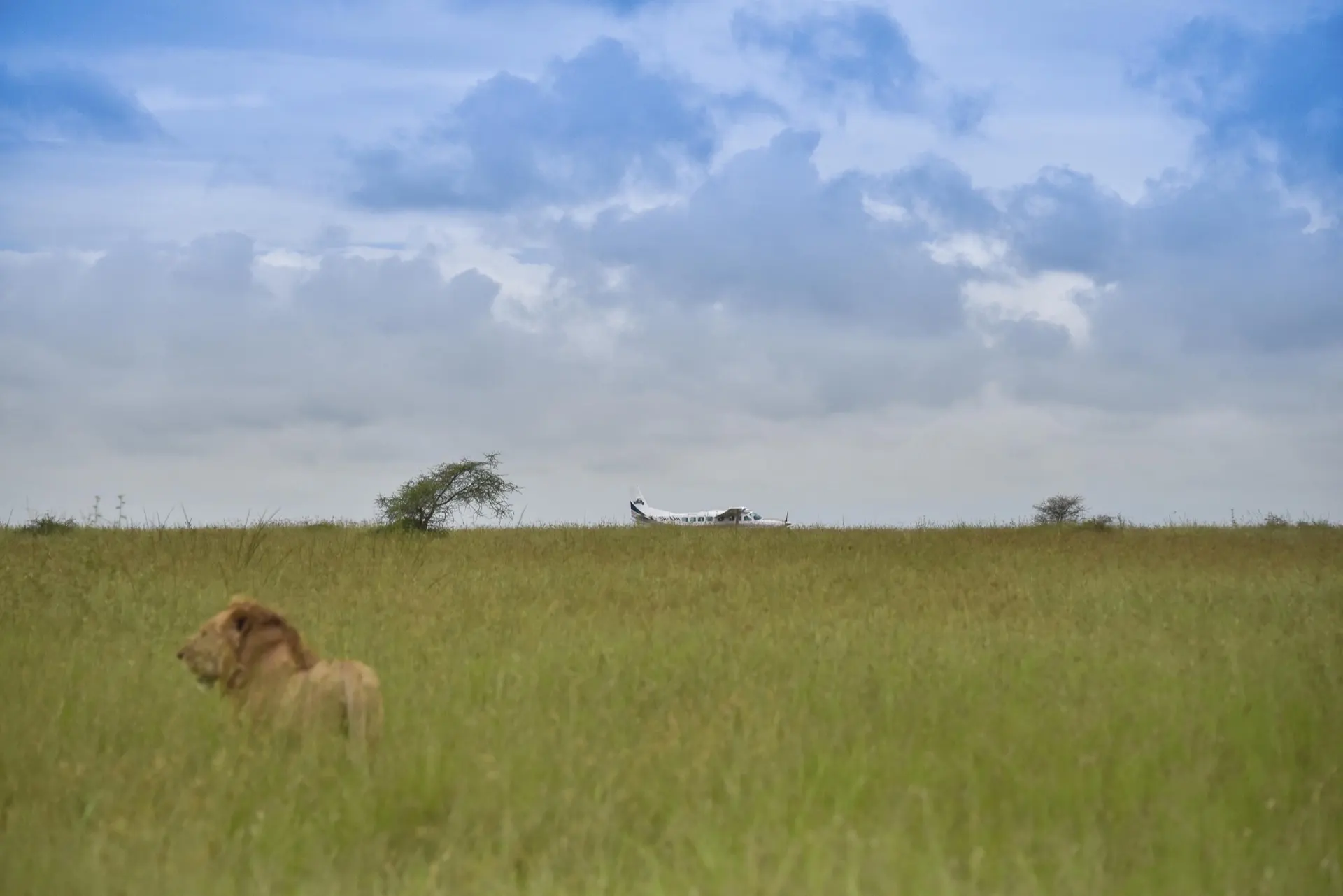
Tarangire's predator populations follow the water and the prey along the river — resident lion prides, leopard in the riverine woodland, cheetah on the open plains, and one of northern Tanzania's best chances of encountering elusive wild dog packs.

Private Concessions (Randilen, Kuro, Sinya)

Private Concessions (Randilen, Kuro, Sinya)

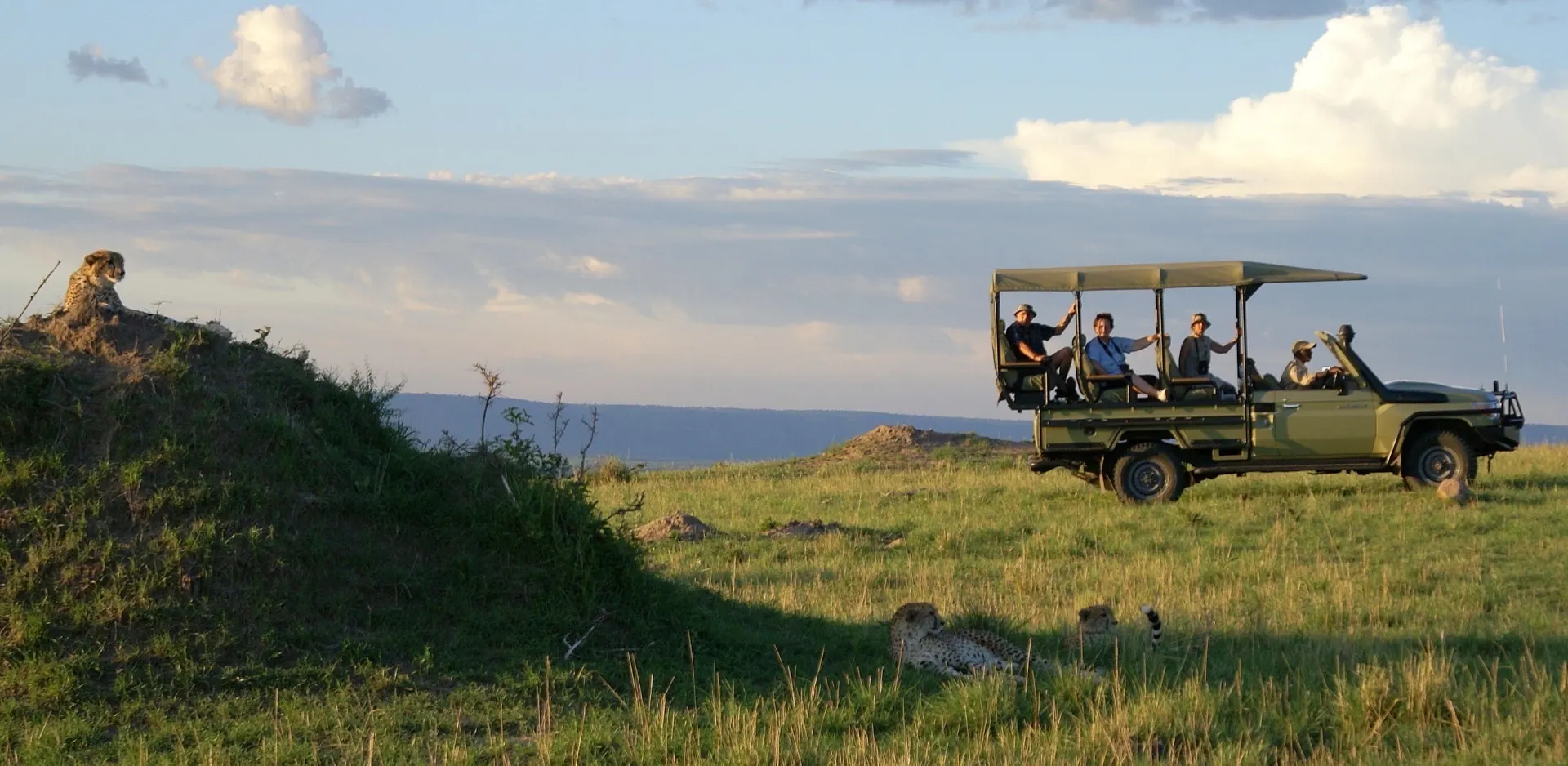
Tarangire's neighbouring private concessions offer walking safaris and night drives unavailable inside the national park itself — an essential add-on for travellers seeking a deeper, more active Tarangire experience.

Getting There

Tarangire is approximately 2.5–3 hours by road from Arusha (120km south), with the park gate well-signposted from the Arusha–Dodoma highway. Charter flights from Arusha reach Kuro Airstrip within the park in 30 minutes. Most visitors arrive on overland safari circuits from Arusha.

Plan Your Journey

Our team handles all logistics — airport transfers, cross-border road trips, and charter flights. Reach out and we'll design the smoothest route to suit your itinerary.

ENQUIRE NOW

Where to Stay

andBeyond Tarangire Treetops
Luxury

andBeyond Tarangire Treetops

elevated suites built into the canopy with sweeping plains views.

Sanctuary Swala Camp
Luxury

Sanctuary Swala Camp

private, secluded corner of the park favoured by elephant herds.

Oliver's Camp
Luxury

Oliver's Camp

renowned for outstanding walking safaris and an intimate bush atmosphere.

Chem Chem Lodge
Luxury

Chem Chem Lodge

luxury with direct access to a private conservancy bordering the park.

Tarangire Safari Lodge
Mid-Range

Tarangire Safari Lodge

perched on a ridge with panoramic valley views.

Tarangire Sopa Lodge
Mid-Range

Tarangire Sopa Lodge

reliable comfort.

Lemala Mpingo Ridge
Mid-Range

Lemala Mpingo Ridge

comfortable tented stay with excellent guiding.

andBeyond Tarangire Treetops
Luxury

andBeyond Tarangire Treetops

elevated suites built into the canopy with sweeping plains views.

Sanctuary Swala Camp
Luxury

Sanctuary Swala Camp

private, secluded corner of the park favoured by elephant herds.

Oliver's Camp
Luxury

Oliver's Camp

renowned for outstanding walking safaris and an intimate bush atmosphere.

Chem Chem Lodge
Luxury

Chem Chem Lodge

luxury with direct access to a private conservancy bordering the park.

Tarangire Safari Lodge
Mid-Range

Tarangire Safari Lodge

perched on a ridge with panoramic valley views.

Tarangire Sopa Lodge
Mid-Range

Tarangire Sopa Lodge

reliable comfort.

Lemala Mpingo Ridge
Mid-Range

Lemala Mpingo Ridge

comfortable tented stay with excellent guiding.

Practical Information & Travel Tips

Best Season
The dry season (June–October) is essential for the famous elephant concentrations. The green season offers different but equally rewarding wildlife experiences.
Private Concessions
Tarangire's neighbouring private concessions (Randilen, Kuro, Sinya) offer night drives and walking safaris unavailable in the national park. Highly recommended.
Park Fees
Approximately USD 53 per person per day for non-residents, usually included in most package rates.
Self-Drive
Self-drive is permitted and roads are generally accessible, though a 4WD is recommended in the wet season.
Malaria
Tarangire is a malaria zone. Take prophylaxis and use insect repellent, especially at dusk.
Photography
Tarangire's baobab landscape and elephant concentrations make it one of Africa's finest photography destinations. Bring a wide-angle lens for landscape-wildlife compositions.

Frequently Asked Questions

During Tanzania's dry season, the Tarangire River becomes the only permanent water source in a vast dry landscape. Elephants from a catchment area far exceeding the park's boundaries converge on the river, creating extraordinary concentrations of thousands of individuals.