
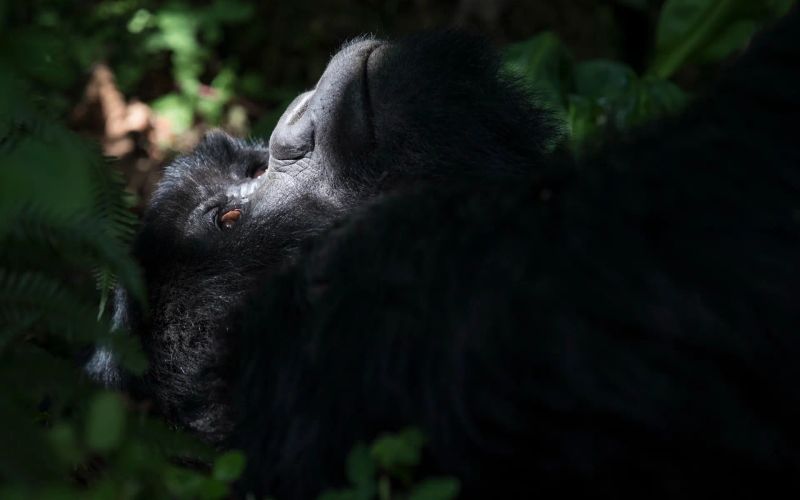
Rain during gorilla trekking is common in Uganda’s rainforest. Learn what to expect, essential rain gear, and whether treks get cancelled due to weather.
If you’re planning a gorilla trekking adventure in Uganda, there’s one question that almost every traveler asks: “What happens if it rains during my trek?”
The short answer: The trek continues regardless of rain. Gorilla trekking happens rain or shine, and you should expect to get wet. After all, you’re trekking through the “Impenetrable Forest” it’s called a rainforest for a reason.
But don’t let this discourage you. With proper preparation and the right mindset, trekking in the rain can actually enhance your experience. Here’s everything you need to know.
Why It Rains So Much in Bwindi and Mgahinga
Bwindi Impenetrable Forest and Mgahinga Gorilla National Park are located in Uganda’s southwestern highlands, where:
- Annual rainfall averages 1,400-1,900mm
- Rain can occur any month of the year
- Afternoon showers are common even in “dry” seasons
- The forest creates its own microclimate
- Elevation (1,160-2,607m) contributes to unpredictable weather
Translation: There’s roughly a 60-70% chance of rain during any trek, even in the dry season.
Do Gorilla Treks Get Cancelled Due to Rain?
No. Gorilla trekking is almost never cancelled due to rain alone. Here’s why:
- Gorillas don’t mind the rain – They continue their daily activities regardless of weather
- Permits are non-refundable – At $1000 per person, permits cannot be rescheduled for weather
- Rain is expected – It’s part of the rainforest ecosystem
- Safety protocols exist – Only severe weather events (lightning storms, landslides) would halt a trek
In over 15 years of gorilla trekking operations, cancellations due to weather are extremely rare perhaps 1-2 times per year in cases of dangerous lightning or severe storms.
What Actually Happens When It Rains During Your Trek
Scenario 1: Light Rain or Drizzle
- Trek continues normally
- Trails become slightly slippery
- Vegetation gets wetter (you’ll get wet from brushing against plants)
- Guides may slow the pace slightly
- Gorillas often become more active (they enjoy the rain!)
Scenario 2: Moderate to Heavy Rain
- Trek still continues
- Trails become muddy and slippery
- Guides take extra precautions on steep sections
- You’ll definitely get wet despite rain gear
- Visibility may decrease slightly
- Photography becomes more challenging
Scenario 3: Severe Storm with Lightning
- Guides will assess safety
- Group may shelter temporarily under dense canopy
- In rare cases, trek may be paused until storm passes
- Extreme situations might result in turning back (very rare)
How Rain Affects the Gorillas
Interestingly, gorillas often become more active and playful in the rain:
- Young gorillas play and tumble in the rain
- Adults may move to find better shelter
- They continue feeding, grooming, and socializing
- Rain doesn’t seem to bother them at all
Some trekkers report that rainy encounters feel more intimate and authentic you’re experiencing the gorillas in their true natural environment.
Essential Rain Gear for Gorilla Trekking
Absolutely necessary:
- Waterproof rain jacket (not just water-resistant)
- Look for: Sealed seams, hood, pit zips for ventilation
- Brands: Arc’teryx, Patagonia, North Face, Columbia
- Full-zip sides make them easy to put on over boots
- Should be loose enough to layer over regular pants
- Protects camera, phone, snacks
- Usually 20-30L size
- Double protection for cameras and phones
- Ziplock bags as backup
- Keeps hands dry when grabbing wet vegetation
- Provides grip on slippery surfaces
Highly recommended:
- Gaiters (waterproof leg coverings)
- Prevents water, mud, and insects from entering boots
- Keeps pants drier
- Must be broken in before trek
- Good ankle support essential on slippery trails
- Avoid cotton (stays wet and cold)
- Choose synthetic or merino wool
- Layering is key
- Waterproof hat with brim
- Keeps rain off face and glasses
- Baseball cap under rain jacket hood works well
- For wiping camera lens, glasses, face
How Rain Affects Trail Conditions
Muddy trails:
- Expect to slip occasionally (everyone does)
- Trekking poles become essential
- Porters can provide extra stability
- Boots will get completely muddy
Slippery vegetation:
- Wet leaves and moss are very slippery
- Roots become like ice
- Guides will warn of particularly tricky sections
Stream crossings:
- May be higher and faster after rain
- Guides will assist or find alternative routes
Leeches:
- More common in wet conditions
- Harmless but annoying
- Tuck pants into socks and use gaiters
- Guides carry salt to remove them
Photography in the Rain
Rain presents challenges but also opportunities:
Challenges:
- Water droplets on lens
- Lower light conditions
- Fogged lenses
- Wet camera equipment
Solutions:
- Bring lens cloth and keep it dry
- Use lens hood to deflect rain
- Increase ISO settings (1600-3200)
- Use faster shutter speeds
- Keep camera under jacket between shots
- Waterproof camera bag essential
Opportunities:
- Dramatic, moody lighting
- Water droplets on gorilla fur
- Mist through the forest
- More active gorilla behavior
- Fewer tourists (some avoid rainy season)
The Silver Lining: Benefits of Trekking in Rain
1. Fewer crowds
- Many tourists avoid rainy season
- More intimate gorilla encounters
- Less competition for permits
2. Lower prices
- Lodges offer discounts during wet season
- Better deals on safari packages
3. Lush, green scenery
- Forest is at its most beautiful
- Waterfalls are fuller
- More vibrant colors
4. Active gorillas
- Gorillas are often more playful in rain
- Interesting behaviors to observe
5. Cooler temperatures
- Rain cools down the humid forest
- More comfortable hiking conditions
What If You’re Really Unlucky with Weather?
If it rains heavily throughout your entire trek:
- Your permit is still valid – You get your full hour with gorillas
- No refunds or rescheduling – Permits are non-refundable
- The experience is still incredible – Rain doesn’t diminish the magic of seeing gorillas
Important: The rain typically comes in the afternoon. Morning treks often start in dry conditions, with rain developing later. Even if it rains during your hour with gorillas, you’ll still have an unforgettable experience.
Rescheduling Policies
Can you reschedule if it’s raining?
- No. Weather is not grounds for rescheduling
- Permits are date-specific and non-transferable
- Rain is expected and normal
When can you reschedule?
- Medical emergencies (with doctor’s note)
- Park closures (extremely rare)
- At least 48 hours notice required
- Subject to permit availability
Practical Tips for Trekking in the Rain
- Embrace it – Accept that you’ll get wet and focus on the experience
- Layer properly – Wear moisture-wicking base layers
- Protect electronics – Double-bag cameras and phones
- Hire a porter – Extra helpful on slippery trails
- Bring extra clothes – Leave dry clothes in vehicle for after trek
- Plastic bags – For muddy boots and wet clothes
- Positive attitude – Rain is part of the authentic rainforest experience
What Guides and Porters Do in the Rain
Your guides are experienced in all weather conditions:
- They know the safest routes in wet conditions
- They’ll slow the pace on slippery sections
- They carry first aid and communication equipment
- They monitor weather for dangerous conditions
- They’ll help you navigate tricky terrain
Porters become even more valuable in rain:
- They know exactly where to step
- They’ll pull you up muddy slopes
- They provide stability on descents
- They can carry your wet rain gear after the rain stops
After the Trek: Dealing with Wet Gear
Back at the lodge:
- Remove muddy boots outside
- Hang wet clothes to dry (lodges usually have drying areas)
- Clean and dry camera equipment immediately
- Rinse muddy boots and let them dry
- Check for leeches on clothing and body
Pro tip: Bring a second pair of hiking boots if possible, so you have dry boots for the next day’s activities.
Final Thoughts: Don’t Let Rain Ruin Your Dream
Rain during gorilla trekking is normal, expected, and manageable. With proper gear and the right mindset, it becomes just another element of your rainforest adventure not an obstacle.
Thousands of trekkers experience rain during their gorilla encounters and still rate it as one of the best experiences of their lives. The magic of sitting meters away from a wild mountain gorilla family transcends weather conditions.
Remember: You’re in a rainforest. Rain is part of the ecosystem that supports these incredible creatures. Embrace it, prepare for it, and you’ll have an authentic and unforgettable experience.
Book Your Gorilla Trek with Confidence
At Still Wild Safaris, we prepare all our clients for every weather scenario. We provide detailed packing lists, rent quality rain gear if needed, and ensure you’re ready for whatever Mother Nature brings.
Frequently Asked Questions
Q: What are the driest months for gorilla trekking? A: June-September and December-February have less rainfall, but rain is still possible any day.
Q: Should I avoid the rainy season completely? A: No! Rainy season (March-May, October-November) offers lower prices, fewer crowds, and lush scenery. Just prepare properly.
Q: Will my camera get ruined in the rain? A: Not if properly protected. Use waterproof bags, lens hoods, and keep it covered between shots.
Q: Are trails dangerous when wet? A: They’re slippery but not dangerous with proper footwear, trekking poles, and guide assistance.
Q: Do I need special rain gear or can I buy it in Uganda? A: Quality rain gear is limited in Uganda. Bring your own waterproof jacket and pants from home.