
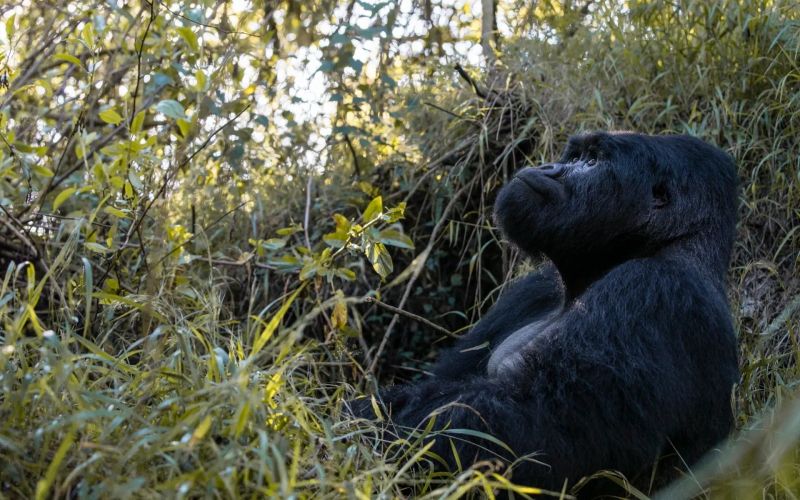
Nestled in the southwestern corner of Uganda, Bwindi Impenetrable National Park is a UNESCO World Heritage Site and one of Africa's most ancient and biologically diverse rainforests. Its name, derived
Nestled in the southwestern corner of Uganda, Bwindi Impenetrable National Park is a UNESCO World Heritage Site and one of Africa's most ancient and biologically diverse rainforests. Its name, derived from the Luganda word "Mubwindi," meaning "a place full of darkness," perfectly encapsulates the dense, primeval nature of this remarkable ecosystem. Bwindi is not just a forest; it is a sanctuary, a living testament to the power of nature, and, most importantly, home to roughly half of the world's remaining mountain gorilla population.
For travelers seeking an unparalleled wildlife encounter, a visit to Bwindi offers the profound privilege of coming face-to-face with these magnificent primates in their natural habitat. Beyond gorilla trekking, the park boasts an incredible array of biodiversity, from chimpanzees and forest elephants to over 350 species of birds and a vibrant local culture. This comprehensive visitor guide for 2026 will delve into everything you need to know to plan your unforgettable journey into the heart of Bwindi Impenetrable Forest.
Bwindi Impenetrable National Park spans approximately 321 square kilometers (124 sq mi) of montane and lowland forest. Its ecological significance is immense, recognized globally for its exceptional biodiversity. The forest is believed to be over 25,000 years old, making it one of Africa's oldest and most species-rich habitats.
Key Facts:
- Established: 1991 as a National Park.
- UNESCO World Heritage Site: Designated in 1994 for its outstanding universal value.
- Altitude: Ranges from 1,160 meters (3,810 ft) to 2,607 meters (8,553 ft) above sea level.
- Biodiversity: Home to 120 species of mammals (including 10 primates), 350 species of birds, 310 species of butterflies, 27 species of frogs, chameleons, geckos, and numerous endangered species of plants.
Conservation Success Story: Bwindi is a beacon of conservation success. In the 1980s, mountain gorillas were on the brink of extinction. Through concerted international and local efforts, including the establishment of national parks and community involvement, their numbers have steadily increased. Today, gorilla tourism plays a vital role in funding these conservation initiatives, providing economic benefits to local communities and fostering a sense of ownership over these precious resources.
2. The Four Gorilla Trekking Sectors of Bwindi
Bwindi Impenetrable National Park is divided into four main sectors for gorilla trekking, each offering a unique experience in terms of accessibility, terrain, and available gorilla families. Choosing the right sector can significantly impact your safari logistics and overall experience.
a. Buhoma Sector (Northern Bwindi)
- Overview: Located in the northern part of the park, Buhoma is the most popular and easily accessible sector. It was the first sector to open for gorilla trekking and remains a favorite due to its well-developed infrastructure and relatively easier treks.
- Accessibility: Approximately 8-9 hours drive from Entebbe/Kampala. Can also be accessed via domestic flights to Kihihi Airstrip (1.5-hour flight, then 1-hour drive to Buhoma).
- Gorilla Families (2026): Habituated families typically include Mubare, Habinyanja, and Rushegura. These families are generally well-habituated and often found closer to the park headquarters, potentially leading to shorter treks.
- Accommodation: Offers a wide range of lodges, from luxury to budget, catering to all preferences. Options include Sanctuary Gorilla Forest Camp, Bwindi Lodge, Buhoma Lodge, and various mid-range and budget guesthouses.
- Pros: Easiest access, good infrastructure, generally shorter treks, diverse accommodation, good for combining with Queen Elizabeth NP.
- Cons: Can be more crowded due to popularity, permits sell out quickly.
b. Ruhija Sector (Eastern Bwindi)
- Overview: Situated in the eastern part of Bwindi, Ruhija is known for its higher altitude and cooler climate. It offers a more remote and quieter trekking experience, often appealing to birdwatchers due to its rich avian diversity.
- Accessibility: Accessible from Buhoma (approx. 2-3 hours drive) or from Kabale. Domestic flights to Kihihi or Kisoro are options, followed by a longer drive.
- Gorilla Families (2026): Families like Bitukura, Oruzogo, and Mukiza are typically found here. Treks can be moderate to challenging, with gorillas sometimes ranging further afield.
- Accommodation: Fewer options than Buhoma, but includes comfortable mid-range lodges like Ruhija Gorilla Safari Lodge and Bakiga Lodge, as well as some budget choices.
- Pros: Quieter, excellent birdwatching, stunning views, good for combining with Lake Bunyonyi.
- Cons: Higher altitude can make trekking more strenuous, fewer accommodation choices.
c. Rushaga Sector (Southern Bwindi)
- Overview: Located in the southern part of Bwindi, Rushaga boasts the highest number of habituated gorilla families, making it an excellent choice for permit availability. It is also the only sector offering the Gorilla Habituation Experience.
- Accessibility: Best accessed from Kisoro (approx. 1.5-2 hours drive) or via Kigali, Rwanda (approx. 4-5 hours drive). Domestic flights to Kisoro Airstrip are available.
- Gorilla Families (2026): Home to numerous families, including Nshongi, Mishaya, Kahungye, Busingye, Bweza, Mucunguzi, and Rwigi. This abundance increases the chances of securing a permit.
- Accommodation: A growing number of lodges, from luxury (e.g., Clouds Mountain Gorilla Lodge, Chameleon Hill Lodge) to mid-range and budget options.
- Pros: Highest number of gorilla families, best permit availability, offers Gorilla Habituation Experience, good for combining with Mgahinga Gorilla NP.
- Cons: Can involve longer and more challenging treks due to the rugged terrain.
d. Nkuringo Sector (Southern Bwindi)
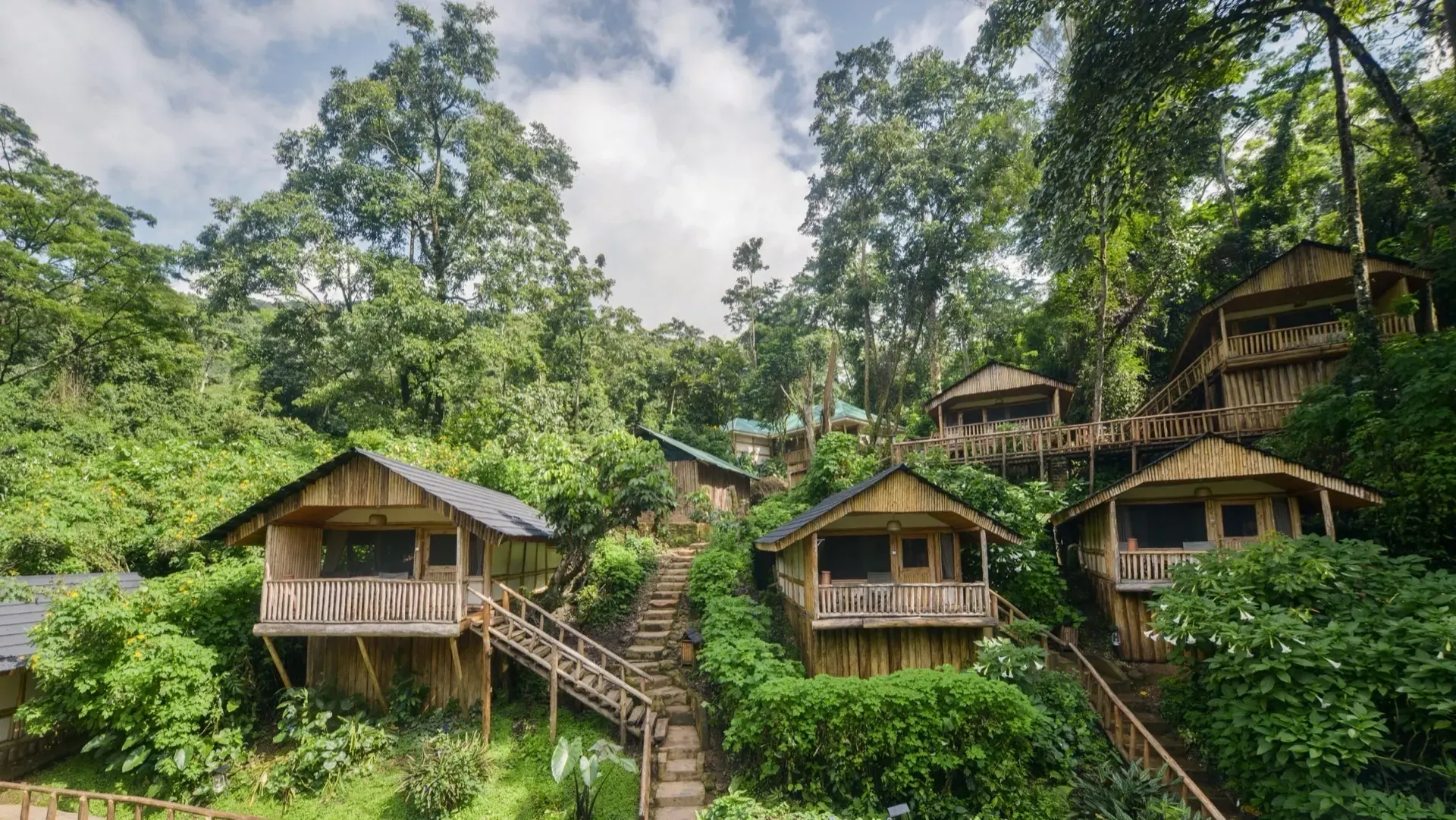
- Overview: Also in the southern part of Bwindi, Nkuringo is famous for its challenging treks and stunning panoramic views. It is often considered the most physically demanding sector, but the rewards are immense.
- Accessibility: Similar to Rushaga, best accessed from Kisoro or Kigali. The drive into Nkuringo involves a steep descent and ascent, earning it a reputation for adventurous travelers.
- Gorilla Families (2026): The Nkuringo family is the primary group here, known for its large size and impressive silverbacks. Bushaho and Christmas families are also typically found in this sector.
- Accommodation: Features high-end lodges like Nkuringo Bwindi Gorilla Lodge and Clouds Mountain Gorilla Lodge, offering spectacular views, alongside some mid-range options.
- Pros: Most challenging and rewarding treks, incredible views, often larger gorilla families, quieter experience.
- Cons: Most physically demanding, limited accommodation options, can be harder to access.
| Sector | Key Characteristics | Gorilla Families (Typical) | Accessibility | Accommodation Range |
|---|---|---|---|---|
| Buhoma | Most popular, easier treks | Mubare, Habinyanja, Rushegura | Easiest (Kihihi Airstrip) | Luxury to Budget |
| Ruhija | Higher altitude, quieter, birding | Bitukura, Oruzogo, Mukiza | Moderate | Mid-range to Budget |
| Rushaga | Most gorilla families, GHE | Nshongi, Mishaya, Kahungye, Busingye, Bweza, Mucunguzi, Rwigi | Good (Kisoro Airstrip/Kigali) | Luxury to Budget |
| Nkuringo | Challenging treks, stunning views | Nkuringo, Bushaho, Christmas | Challenging (Kisoro Airstrip/Kigali) | Luxury to Mid-range |
3. How to Get to Bwindi Impenetrable Forest
Reaching Bwindi requires planning, but the journey itself is part of the adventure.
a. By Road from Entebbe/Kampala
- Duration: 8-10 hours, depending on the sector and road conditions.
- Route: The most common route is via Mbarara and Kabale. The roads are mostly paved until the final stretch to the park gates, which can be rough and muddy, especially in the rainy season.
- Vehicle: A 4x4 safari vehicle (Land Cruiser) is highly recommended for comfort and reliability.
b. By Road from Kigali, Rwanda
- Duration: 4-5 hours to the southern sectors (Rushaga/Nkuringo), including border crossing time.
- Route: A popular option due to Kigali's closer proximity to Bwindi's southern sectors. The roads in Rwanda are generally excellent. You will cross the Cyanika or Katuna border posts.
- Vehicle: A 4x4 safari vehicle is still recommended, especially for the Ugandan side of the journey.
c. By Air (Domestic Flights)
- From Entebbe: Scheduled flights operate from Entebbe International Airport (EBB) to Kihihi Airstrip (for Buhoma and Ruhija sectors) or Kisoro Airstrip (for Rushaga and Nkuringo sectors). Flights take approximately 1.5 hours.
- Airlines: AeroLink Uganda and Bar Aviation are the primary domestic carriers.
- Cost: Flights typically range from $200-$400 USD per person per flight, significantly increasing the overall safari cost but saving considerable travel time.
- Transfers: Upon arrival at the airstrip, you will need a pre-arranged road transfer to your lodge and the park headquarters.
4. Activities Beyond Gorilla Trekking
While gorilla trekking is the main draw, Bwindi and its surrounding areas offer a variety of other activities to enrich your visit.
a. Batwa Cultural Experience
- Overview: The Batwa Pygmies are the indigenous inhabitants of the Bwindi forest, having lived as hunter-gatherers for thousands of years before being relocated when the park was established. The Batwa Cultural Experience offers a unique insight into their traditional way of life, forest skills, and rich heritage.
- Location: Primarily offered near the Buhoma and Rushaga sectors.
- Impact: This is a community-led initiative, and your participation directly supports the Batwa people.
b. Nature Walks and Bird Watching
- Overview: Bwindi is a birder's paradise, home to 23 of Uganda's 24 Albertine Rift endemics. Guided nature walks allow you to explore the forest's incredible flora and fauna, including various primate species, butterflies, and medicinal plants.
- Trails: Popular trails include the Munyaga River Trail (Buhoma), Waterfall Trail (Buhoma), and the Ivy River Trail (connecting Buhoma and Nkuringo).
c. Community Walks and Village Visits
- Overview: Engage with local communities surrounding Bwindi. These walks often include visits to local schools, traditional healers, craft markets, and agricultural projects, offering a glimpse into rural Ugandan life.
- Impact: Supports local livelihoods and provides an authentic cultural exchange.
d. Lake Bunyonyi (Near Kabale)
- Overview: While not directly in Bwindi, Lake Bunyonyi, near Kabale, is a popular post-trekking relaxation spot. Known as the "Place of Many Little Birds," it's Africa's second-deepest lake and offers stunning scenery, canoeing, and island hopping.
- Accessibility: Easily accessible from the Ruhija and Rushaga sectors.
5. Best Accommodation by Sector
Bwindi offers a diverse range of accommodation options, from rustic tented camps to luxurious lodges, ensuring there's something for every budget and preference.
a. Buhoma Sector
- Luxury: Sanctuary Gorilla Forest Camp, Bwindi Lodge, Buhoma Lodge.
- Mid-Range: Engagi Lodge, Mahogany Springs Safari Lodge, Haven Lodge Buhoma.
- Budget: Buhoma Community Rest Camp, Ride 4 a Woman Guesthouse.
b. Ruhija Sector
- Mid-Range: Ruhija Gorilla Safari Lodge, Bakiga Lodge, Gorilla Mist Camp.
- Budget: Ruhija Community Rest Camp.
c. Rushaga Sector
- Luxury: Clouds Mountain Gorilla Lodge (also accessible from Nkuringo), Chameleon Hill Lodge.
- Mid-Range: Rushaga Gorilla Haven Lodge, Gorilla Safari Lodge, Ichumbi Gorilla Lodge.
- Budget: Rushaga Gorilla Camp, Nshongi Camp.
d. Nkuringo Sector
- Luxury: Nkuringo Bwindi Gorilla Lodge, Clouds Mountain Gorilla Lodge.
- Mid-Range: Gorilla Heights Lodge, Mutanda Lake Resort (near Kisoro, good for Nkuringo).
- Budget: Nkuringo Bwindi Gorilla Camp.
6. Best Time to Visit Bwindi Impenetrable Forest
Gorilla trekking in Bwindi is possible year-round, but weather conditions significantly influence the experience.
- Dry Seasons (June-September & December-February): These are generally considered the best times for trekking. Trails are drier, making hiking easier, and there's less chance of rain. However, these are also peak seasons, meaning higher prices for accommodation and permits sell out quickly.
- Wet Seasons (March-May & October-November): While trekking can be more challenging due to muddy trails and frequent rain, these seasons offer several advantages. Accommodation prices are lower, there are fewer tourists, and the forest is incredibly lush and vibrant. Photography can be dramatic, and the gorillas are often found at lower altitudes, potentially leading to shorter treks.
For a detailed month-by-month breakdown, refer to our guide: Best Time to Visit Uganda for Gorilla Trekking
7. Practical Information for Your Visit
a. Gorilla Permits and Fees
- Cost: $800 USD for a standard gorilla trekking permit (2026).
- Booking: Essential to book 4-6 months in advance, especially for peak season. Can be booked through the Uganda Wildlife Authority (UWA) or a reputable tour operator.
- Inclusions: Permit includes park entry, UWA ranger, and trackers.
b. Rules and Regulations
- Age Limit: Trekkers must be at least 15 years old.
- Health: You must be in good health. If you show signs of illness, you may be denied trekking to protect the gorillas.
- Distance: Maintain a minimum distance of 7 meters (23 feet) from the gorillas.
- Time Limit: One hour maximum with the gorillas.
- Flash Photography: Strictly prohibited.
- Waste: Pack in, pack out. Do not leave any litter in the forest.
c. What to Pack
- Essential: Waterproof hiking boots, long pants, long-sleeved shirt, rain jacket, gaiters, gardening gloves, daypack, water, snacks, insect repellent, sunscreen, hat.
- Recommended: Binoculars, camera with extra batteries, personal first-aid kit.
For a complete list, see our guide: What to Pack for Gorilla Trekking in Uganda
d. Porters
Hiring a porter is highly recommended. For a small fee ($15-20 USD), they will carry your daypack, assist you on difficult terrain, and provide crucial support to local communities.
Conclusion
Bwindi Impenetrable Forest is more than just a destination; it's an experience that touches the soul. The opportunity to witness mountain gorillas in their natural, ancient habitat is a privilege that few get to experience. By understanding the park's sectors, planning your logistics, and preparing adequately, you can ensure your visit is not only successful but deeply meaningful.
Whether you choose the bustling Buhoma, the serene Ruhija, the abundant Rushaga, or the challenging Nkuringo, Bwindi promises an adventure that will stay with you long after you leave its misty embrace. It is a journey into the heart of Africa's wild beauty and a powerful reminder of the importance of conservation.
Ready to explore the wonders of Bwindi?
Let Still Wild Safaris design your perfect gorilla trekking adventure. From permit booking to tailor-made itineraries, we handle all the details so you can focus on the experience of a lifetime.
Start Your Bwindi Adventure!Sign up for our newsletter to receive exclusive Bwindi travel tips, special offers, and updates on gorilla conservation efforts. Enter your email below and begin your journey to the Impenetrable Forest!
Frequently Asked Questions (FAQ)
1. How difficult is gorilla trekking in Bwindi?
Gorilla trekking in Bwindi is generally considered moderately to very challenging. The terrain is rugged, with steep ascents and descents, and the forest is dense. Treks can last anywhere from 2 to 8 hours, depending on the location of the gorilla family. Physical fitness is important, but the reward of seeing gorillas makes the effort worthwhile.
2. Which sector is best for first-time trekkers or those with limited mobility?
For first-time trekkers or those concerned about physical exertion, the Buhoma sector is often recommended. It generally has more accessible trails and the gorilla families are sometimes found closer to the park headquarters. However, the specific trek difficulty on any given day depends on the gorillas' movements.
3. Can I see other wildlife in Bwindi besides gorillas?
Absolutely! While gorillas are the main attraction, Bwindi is incredibly biodiverse. You can spot other primates like chimpanzees, black-and-white colobus monkeys, and L'Hoest's monkeys. The forest is also home to forest elephants, various antelopes, and over 350 bird species, making it a fantastic destination for birdwatching and general nature walks.
4. Is it safe to visit Bwindi Impenetrable Forest?
Yes, Bwindi Impenetrable Forest is very safe for tourists. The park is well-managed by the Uganda Wildlife Authority (UWA), and gorilla trekking is conducted with armed rangers who ensure the safety of both visitors and gorillas. Local communities are also actively involved in tourism, contributing to a safe and welcoming environment.
5. What is the difference between gorilla trekking and gorilla habituation experience?
Gorilla trekking involves hiking to find a habituated gorilla family and spending a maximum of one hour observing them. The Gorilla Habituation Experience (GHE), currently only offered in the Rushaga sector of Bwindi, allows you to spend up to four hours with a semi-habituated gorilla family alongside researchers, offering a more in-depth and immersive experience. The GHE permit is also more expensive ($1,500 USD vs $800 USD for trekking).