Uganda, often hailed as the "Pearl of Africa," offers an unparalleled safari experience, blending iconic wildlife encounters with the profound privilege of gorilla trekking. From the dense, misty fore
Uganda, often hailed as the "Pearl of Africa," offers an unparalleled safari experience, blending iconic wildlife encounters with the profound privilege of gorilla trekking. From the dense, misty forests of Bwindi to the vast savannas of Queen Elizabeth National Park, Uganda promises adventure, biodiversity, and cultural immersion. However, planning such an expedition inevitably leads to a crucial question: How much does a Uganda safari cost?
Understanding the financial commitment is key to a stress-free and enjoyable trip. The cost of a Uganda safari in 2026 can vary dramatically, influenced by factors such as the duration of your trip, the type of activities you choose, your accommodation preferences, and your mode of transport. This comprehensive guide aims to demystify Uganda safari costs, providing a detailed breakdown for budget, mid-range, and luxury travelers, along with practical tips on how to save money and what hidden expenses to anticipate.
Whether you dream of an intimate encounter with mountain gorillas, thrilling game drives, or exploring the source of the Nile, this guide will equip you with the knowledge to budget effectively for your unforgettable Ugandan adventure.
Uganda offers safari options to suit almost every budget, from adventurous backpackers to those seeking ultimate luxury. The daily cost per person can range significantly, primarily driven by accommodation and the inclusion of high-cost activities like gorilla trekking.
| Safari Style | Daily Cost Per Person (USD) | Total Cost Per Person (Excluding International Flights) |
|---|---|---|
| Budget | $200 - $350 | $1,200 - $1,800 (for a 6-day safari) |
| Mid-Range | $350 - $600 | $2,000 - $3,500 (for a 6-day safari) |
| Luxury | $600 - $1,200+ | $4,000 - $8,000+ (for a 6-day safari) |
These figures are estimates and can fluctuate based on specific itineraries, group size, and the time of year. The presence of gorilla trekking, in particular, significantly impacts the total cost due to the high permit fee.
Detailed Cost Breakdown by Component
To understand the overall safari cost, it's essential to break down the individual components that contribute to the total expenditure.
1. Gorilla Permits
Gorilla trekking is often the highlight of a Uganda safari, and the permit is typically the most expensive single item. In 2026, a gorilla trekking permit in Uganda costs $800 USD per person for foreign non-residents. This permit allows you one hour with a habituated mountain gorilla family in either Bwindi Impenetrable National Park or Mgahinga Gorilla National Park.
- Gorilla Habituation Experience: For those seeking a more immersive experience, the Gorilla Habituation Experience (GHE) allows you to spend up to four hours with a gorilla family alongside researchers. The GHE permit costs $1,500 USD per person.
Key Considerations:
- Booking: Permits are highly sought after and should be booked 4-6 months in advance, especially for peak seasons.
- Inclusions: The permit fee includes park entry for the day of the trek, the services of a Uganda Wildlife Authority (UWA) ranger, and trackers.
For a detailed comparison of gorilla trekking costs, refer to our blog: Uganda vs Rwanda Gorilla Trekking: Which is Better?
2. Chimpanzee Permits
Chimpanzee trekking is another popular primate experience in Uganda, primarily offered in Kibale National Park, which is renowned as the "Primate Capital of the World."
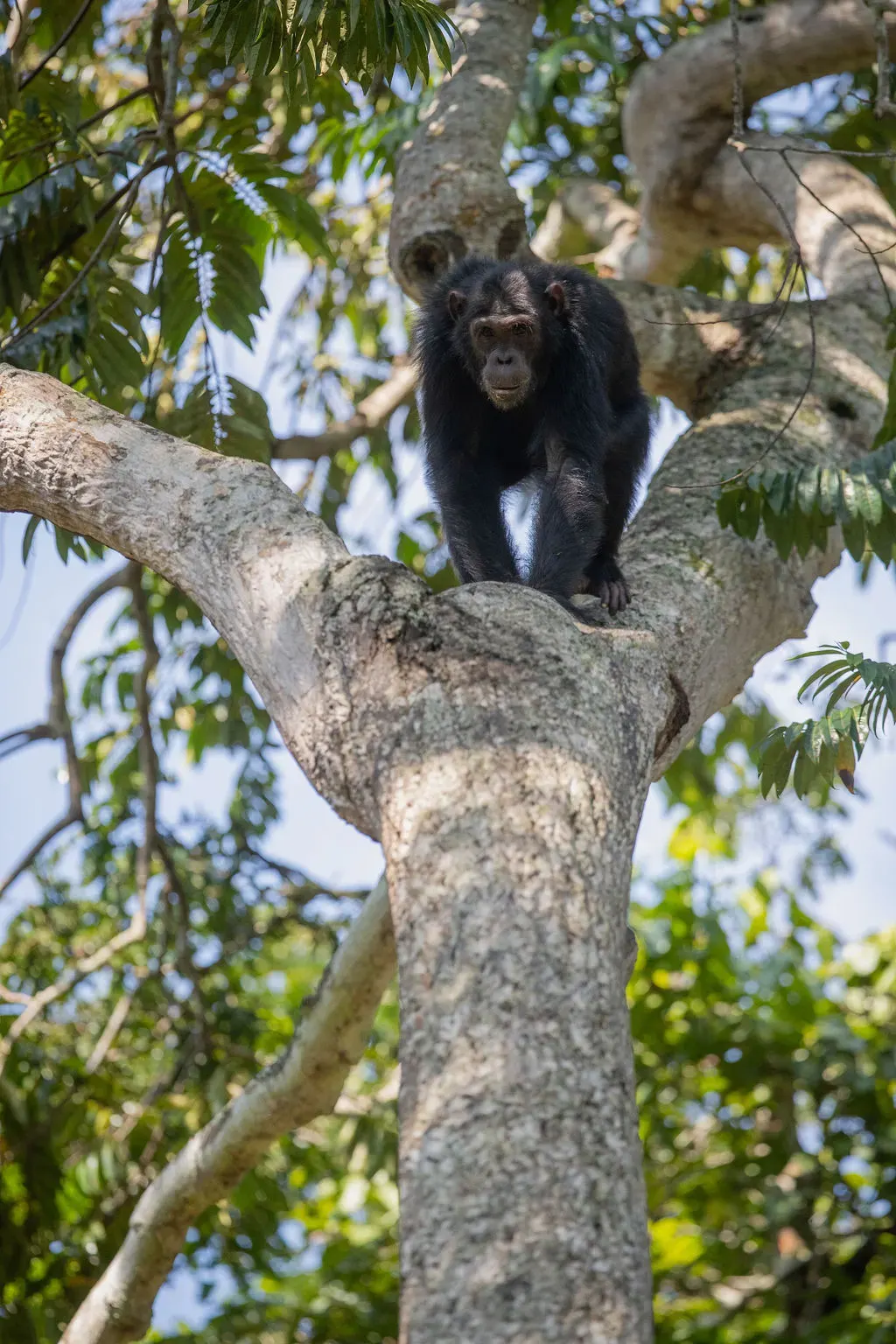
- Chimpanzee Trekking Permit: A standard chimpanzee trekking permit in Kibale National Park costs $250 USD per person for foreign non-residents in 2026. This allows for one hour with a habituated chimpanzee community.
- Chimpanzee Habituation Experience (CHEX): Similar to gorillas, a CHEX permit offers a full day with a chimpanzee community, costing $300 USD per person.
3. Park Entrance Fees
Beyond primate permits, all visitors to Uganda's national parks are required to pay daily conservation fees. These fees contribute directly to the protection of wildlife and park maintenance.
| National Park | Foreign Non-Resident (Per Person, Per Day) |
|---|---|
| Bwindi Impenetrable NP | Included in Gorilla Permit |
| Mgahinga Gorilla NP | Included in Gorilla Permit |
| Queen Elizabeth NP | $40 USD |
| Murchison Falls NP | $40 USD |
| Kibale Forest NP | $40 USD |
| Lake Mburo NP | $40 USD |
| Semuliki NP | $40 USD |
| Kidepo Valley NP | $40 USD |
Note: Park entrance fees are typically valid for 24 hours. If you stay inside the park, you will pay for each day you are there. Children (5-15 years) usually pay half price, and residents/East African citizens have different rates.
4. Accommodation
Accommodation is one of the most variable costs and can significantly impact your overall safari budget. Uganda offers a wide range of options, from basic campsites to ultra-luxury lodges.
- Budget Accommodation: ($50 - $150 per person per night)
- Includes basic guesthouses, community-run campsites, and simple bandas. Often outside the park boundaries or very rustic inside. Shared facilities may be common. Food is usually basic but filling.
- Comfortable lodges and tented camps, often with private en-suite bathrooms, hot water, and good amenities. Located closer to or inside national parks. Meals are typically included and of good quality.
- Exclusive lodges and tented camps offering premium services, stunning locations, gourmet dining, private decks, and sometimes even private plunge pools. Often located within the best wildlife viewing areas. All-inclusive packages are common.
5. Transportation
Getting around Uganda is a significant part of the safari experience, and your choice of transport will affect both cost and comfort.
- 4x4 Safari Vehicle (Land Cruiser): ($150 - $250 per day, including driver-guide and fuel for typical safari distances)
- The preferred choice for safaris. Offers comfort, reliability, and excellent game viewing with pop-up roofs. Essential for navigating rough terrain in national parks. Costs typically include a professional driver-guide and fuel for standard itineraries.
- A more budget-friendly option, often used for group tours. While capable, they are generally less comfortable and robust than Land Cruisers for extended periods on rough roads.
- For those with limited time or who prefer to avoid long drives, domestic flights connect Entebbe to airstrips near major national parks (e.g., Kihihi or Kisoro for Bwindi, Mweya for Queen Elizabeth NP). This significantly reduces travel time but adds to the overall cost.
6. Food & Drinks
Most safari packages include meals, especially at mid-range and luxury lodges. However, if you are on a budget or arranging your own trip, you'll need to factor in food costs.
- Included Meals: Most lodges and tour operators offer full board (breakfast, lunch, dinner) or half board (breakfast, dinner). Drinks (alcoholic and non-alcoholic) are often extra, especially at mid-range lodges.
- Eating Out: Outside of lodges, local restaurants offer very affordable meals ($5-$15). Western-style restaurants in Kampala or Entebbe will be more expensive ($20-$40+).
- Water: Always drink bottled or filtered water. Your tour operator will usually provide sufficient water during the safari.
7. Activities (Beyond Primates)
Uganda offers a wealth of activities that can be added to your safari, each with its own cost.
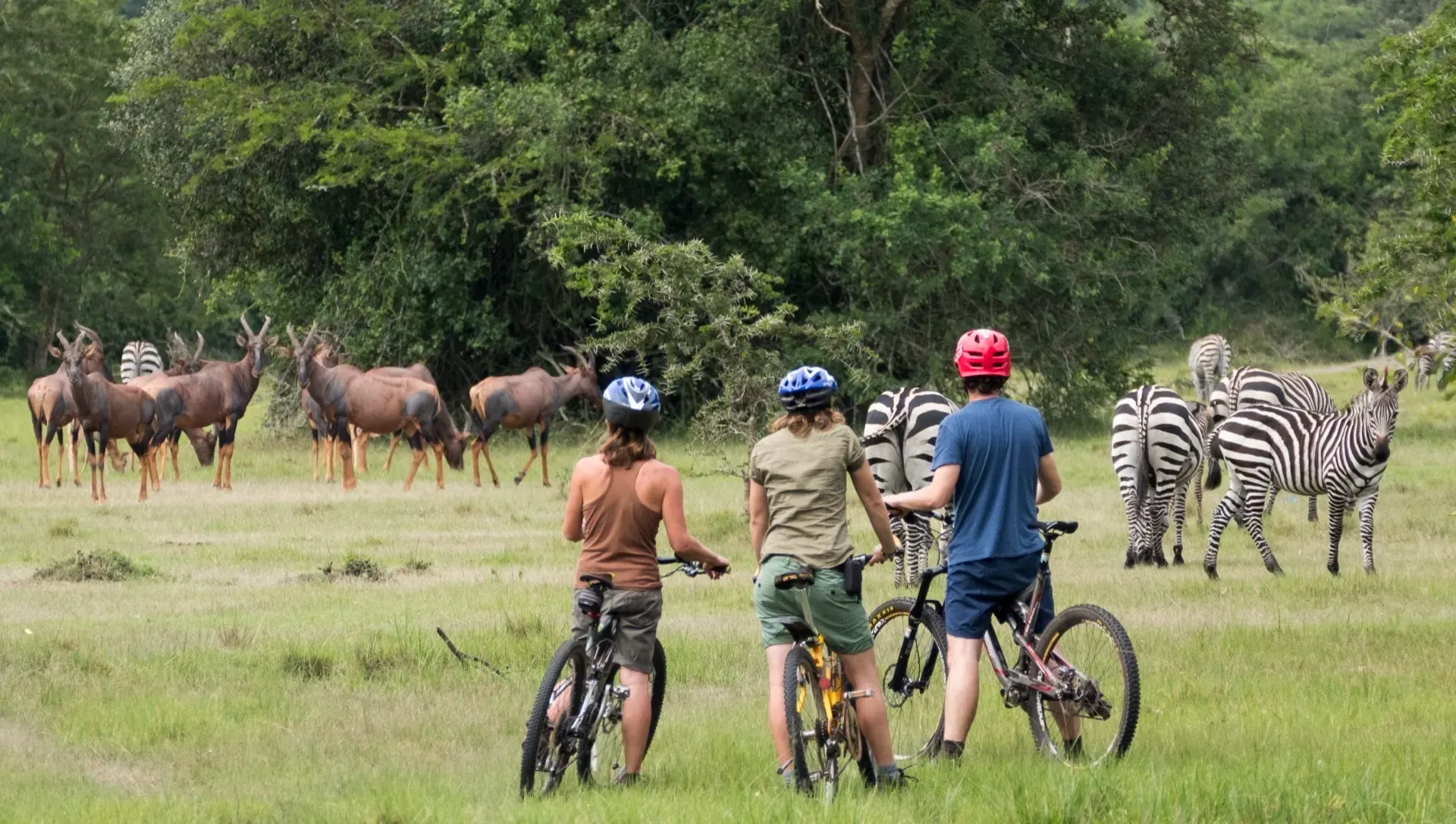
- Game Drives: Typically included in park entrance fees and safari packages. If self-driving, you pay the park fee and potentially a UWA ranger for guided drives ($20-30).
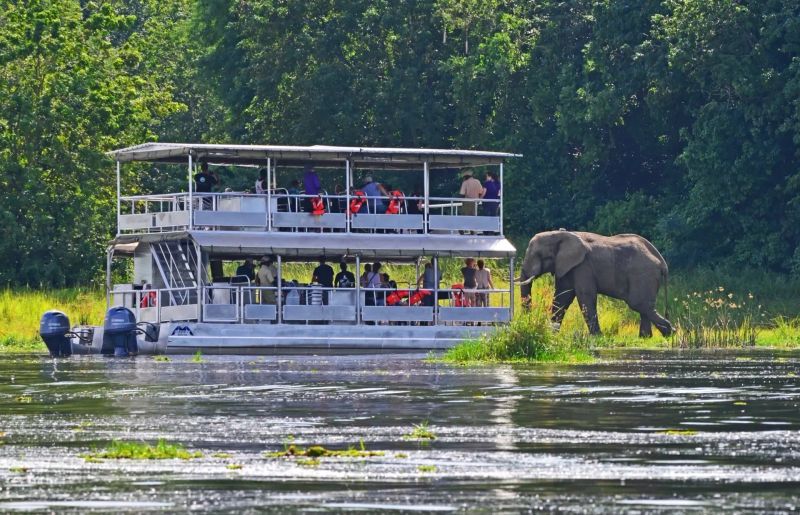
- Boat Safaris: Popular in Queen Elizabeth NP (Kazinga Channel) and Murchison Falls NP (Nile River). Costs range from $30 - $50 per person.
- Nature Walks/Bush Walks: Guided walks in national parks or local communities, often $15 - $30.
- Hot Air Balloon Safari: A luxury add-on, typically $380 - $400 per person in Murchison Falls NP or Queen Elizabeth NP.
- Cultural Visits: Visiting local communities, Batwa pygmy experiences, or local markets, usually $10 - $50, often directly supporting the community.
8. Porter Fees & Tips
These are often overlooked but important costs.
- Porters: For gorilla and chimpanzee trekking, hiring a porter is highly recommended. It costs approximately $15 - $20 USD per trek. This not only makes your trek easier but also provides vital income to local communities.
- Tipping: Tipping is customary in Uganda for guides, porters, lodge staff, and restaurant staff. Budget $10 - $20 per person per day for your main safari guide, and smaller amounts for porters ($5-$10) and lodge staff ($5-$10 per day for the communal tip box).
9. Visa & Travel Insurance
Don't forget these essential pre-trip expenses.
- Uganda Visa: Most nationalities require a visa, which can be obtained online in advance. An East African Tourist Visa (allowing entry to Uganda, Rwanda, and Kenya) costs $100 USD. A single-entry Uganda visa costs $50 USD.
- Travel Insurance: Comprehensive travel insurance is mandatory for any safari, especially one involving gorilla trekking. Ensure it covers medical emergencies, evacuation, trip cancellation, and lost luggage. Costs vary widely based on coverage and duration.
Sample Itinerary Costs (2026)
To give you a clearer picture, here are some sample itinerary costs per person, based on two people sharing accommodation.
1. 3-Day Budget Gorilla Trekking Safari
- Focus: Gorilla trekking, minimal other activities.
- Accommodation: Basic guesthouses/campsites outside Bwindi.
- Transport: 4x4 safari van from Kampala/Entebbe.
| Component | Estimated Cost (USD) |
|---|---|
| Gorilla Permit | $800 |
| Accommodation (2 nights) | $100 - $200 |
| Transport (3 days, incl. driver/fuel) | $270 - $450 |
| Food & Drinks (basic) | $60 - $90 |
| Porter & Tips | $30 - $50 |
| Total Estimated Cost | $1,260 - $1,590 |
2. 7-Day Mid-Range Wildlife & Gorilla Safari
- Focus: Gorilla trekking, Queen Elizabeth NP game drives & boat safari, chimpanzee trekking in Kibale.
- Accommodation: Comfortable mid-range lodges inside/near parks.
- Transport: 4x4 Land Cruiser with professional guide.
| Component | Estimated Cost (USD) |
|---|---|
| Gorilla Permit | $800 |
| Chimpanzee Permit | $250 |
| Park Fees (4 days) | $160 |
| Accommodation (6 nights) | $900 - $2,400 |
| Transport (7 days, incl. driver/fuel) | $1,050 - $1,750 |
| Food & Drinks (incl. in lodges) | $0 (covered) |
| Activities (boat safari) | $40 |
| Porter & Tips | $70 - $100 |
| Total Estimated Cost | $3,270 - $5,500 |
3. 10-Day Luxury Ultimate Uganda Safari
- Focus: Gorilla Habituation Experience, extensive wildlife viewing, exclusive lodges, domestic flights.
- Accommodation: High-end luxury lodges.
- Transport: 4x4 Land Cruiser, domestic flights.
| Component | Estimated Cost (USD) |
|---|---|
| Gorilla Habituation Permit | $1,500 |
| Chimpanzee Habituation Permit | $300 |
| Park Fees (6 days) | $240 |
| Accommodation (9 nights) | $3,600 - $9,000+ |
| Transport (10 days, incl. driver/fuel) | $1,500 - $2,500 |
| Domestic Flights (2) | $400 - $800 |
| Food & Drinks (all-inclusive) | $0 (covered) |
| Activities (hot air balloon, boat) | $450 |
| Porter & Tips | $100 - $150 |
| Total Estimated Cost | $8,090 - $14,940+ |
For more detailed itineraries and package options, visit our Uganda safari packages page.
Hidden Costs to Budget For
Even with careful planning, some expenses can catch travelers by surprise. Always set aside an extra 10-15% of your budget for unforeseen costs.
- Personal Expenses: Souvenirs, laundry, personal toiletries, snacks, alcoholic beverages not included in your package.
- Medical Expenses: While travel insurance covers major incidents, minor ailments or over-the-counter medications are out-of-pocket.
- Visa Fees: As mentioned, ensure you budget for your visa in advance.
- International Flights: This is often the largest single cost and is not included in the safari estimates above. Prices vary widely based on your departure location and time of booking.
- Emergency Fund: Always have access to emergency funds for unexpected delays, additional activities, or medical needs.
How to Save Money on a Uganda Safari
An unforgettable Uganda safari doesn't necessarily have to break the bank. Here are several strategies to reduce your overall costs:
- Travel in the Low Season: The rainy seasons (March-May and October-November) offer significantly lower accommodation prices (30-50% off) and fewer crowds. While trails can be muddier, the rainforest is lush, and photography can be dramatic. Gorilla permits remain the same price, but overall trip costs are reduced.
- Choose a Safari Van over a Land Cruiser: If budget is a primary concern and you're comfortable with slightly less rugged transport, a 4x4 safari van can save you $50-$100 per day on transport costs.
- Opt for Budget Accommodation: Staying in community guesthouses or basic lodges outside the national parks can drastically cut down on nightly rates. Many offer clean, comfortable rooms with en-suite facilities at a fraction of the cost of luxury lodges.
- Join a Group Tour: Traveling with a small group (4-7 people) allows you to share the costs of transport and guide services, making the trip much more affordable per person.
- Focus on Specific Activities: If gorilla trekking is your absolute priority, consider a shorter safari focused solely on that, rather than a multi-park itinerary. Each additional park and activity adds to the cost.
- Pack Smart: Avoid buying unnecessary gear once you arrive. Bring all your essential clothing and equipment from home.
- Bring Your Own Snacks/Drinks: While lodges provide meals, bringing some of your favorite snacks and a reusable water bottle can save on incidental purchases.
- Book in Advance (for permits): While low season saves on accommodation, booking gorilla permits well in advance (4-6 months) is crucial to secure your spot, regardless of the season, and avoids last-minute premium charges if available.
Conclusion
Planning a Uganda safari in 2026 is an investment in an extraordinary experience. By understanding the various cost components from the essential gorilla permits and park fees to accommodation, transport, and activities you can effectively budget for your dream trip. Whether you opt for a budget-friendly adventure or a luxurious escape, Uganda offers incredible value and a diverse range of experiences that cater to every traveler.
Remember, the cost of a safari is not just about the money; it's about the memories you'll create, the wildlife you'll encounter, and the conservation efforts you'll support. With careful planning and the insights from this guide, your Uganda safari will be an unforgettable journey into the heart of Africa.
Ready to plan your unforgettable Uganda safari?
Let Still Wild Safaris help you craft the perfect itinerary tailored to your budget and interests. Our local experts are ready to assist you with permit bookings, accommodation choices, and creating a seamless travel experience.
Unlock Your African Adventure!Sign up for our newsletter to receive exclusive deals, expert planning tips, and inspiring stories from the Pearl of Africa. Enter your email below and start dreaming of your Uganda safari today!
Frequently Asked Questions (FAQ)
1. What is the single biggest cost on a Uganda safari?
The single biggest cost on most Uganda safaris, especially for those including primate trekking, is the gorilla trekking permit, which costs $800 USD per person in 2026. If you opt for the Gorilla Habituation Experience, this increases to $1,500 USD. This fee is a significant investment but directly contributes to the conservation of mountain gorillas.
2. Can I do a Uganda safari on a very tight budget?
Yes, it is possible to do a Uganda safari on a tight budget, typically ranging from $200-$350 USD per person per day. This usually involves staying in basic guesthouses or campsites, using 4x4 safari vans for transport, and focusing on activities with lower permit fees. However, the gorilla trekking permit itself remains a fixed cost, so a "very tight" budget might exclude this activity.
3. Are international flights included in the safari cost estimates?
No, the safari cost estimates provided in this guide typically do not include international flights to and from Uganda. International airfare is a separate and often significant expense that varies greatly depending on your departure location, time of booking, and airline choice. Always budget for this separately.
4. What are some common hidden costs I should be aware of?
Common hidden costs include visa fees ($50-$100 USD), travel insurance (mandatory), tips for guides and lodge staff, personal expenses like souvenirs, alcoholic beverages not included in your package, and laundry. It's advisable to set aside an additional 10-15% of your total safari budget for these unforeseen expenses.
5. Is it cheaper to book a safari directly with a local operator or through an international agent?
Booking directly with a local Ugandan tour operator can often be more cost-effective as it cuts out the middleman and their commissions. Local operators typically have better knowledge of current prices, local conditions, and can offer more flexible and customized itineraries. However, ensure you choose a reputable and well-reviewed local company for reliability and safety.