
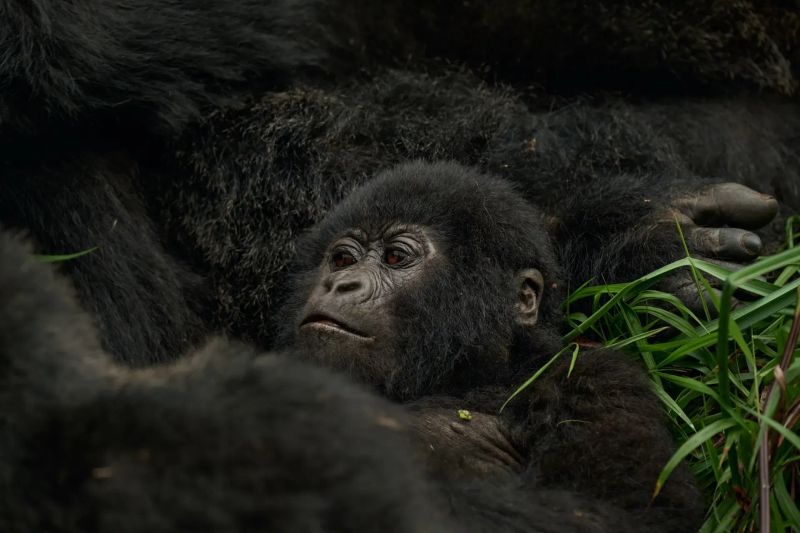
Choosing where to go gorilla trekking is one of the most significant decisions you will make when planning an African safari. The mountain gorilla is an endangered species, and seeing them in their na
Choosing where to go gorilla trekking is one of the most significant decisions you will make when planning an African safari. The mountain gorilla is an endangered species, and seeing them in their natural habitat is a profound, once-in-a-lifetime experience. Today, the two primary destinations for this adventure are Uganda and Rwanda.
Both countries offer incredible, well-managed trekking experiences that directly contribute to the conservation of these magnificent primates. However, they differ significantly in terms of cost, accessibility, terrain, and the overall safari experience they can provide. In 2026, the landscape of gorilla tourism continues to evolve, making this decision more nuanced than ever.
This comprehensive guide will break down the "Uganda vs Rwanda gorillas" debate, comparing permit prices, trekking difficulty, travel logistics, and the quality of the experience to help you decide which destination is right for you.
1. The Cost Factor: Permit Prices and Overall Budget
The most immediate and striking difference between Uganda and Rwanda is the cost of the gorilla trekking permit. This single fee often dictates the entire budget of the trip.
Permit Price Comparison (2026)
In Rwanda, the cost of a single gorilla trekking permit in Volcanoes National Park is $1,500 USD for international visitors. This premium pricing strategy was implemented to position Rwanda as a high-end, exclusive eco-tourism destination, focusing on low volume and high yield to fund conservation efforts.
In contrast, Uganda offers a much more accessible price point. A gorilla trekking permit for Bwindi Impenetrable National Park or Mgahinga Gorilla National Park costs $800 USD for foreign non-residents in 2026.
| Feature | Uganda (Bwindi/Mgahinga) | Rwanda (Volcanoes NP) |
|---|---|---|
| Standard Permit Cost | $800 USD | $1,500 USD |
| Habituation Experience | $1,500 USD (4 hours) | Not Available |
| Overall Budget Profile | Value / Mid-Range to Luxury | High-End / Luxury |
The Value Proposition
The $700 difference per permit is substantial. For a couple, that is a $1,400 saving just on permits. This price difference allows travelers choosing Uganda to allocate those funds elsewhere. You could upgrade your accommodation to a luxury lodge, extend your trip by several days to include a savanna safari in Queen Elizabeth National Park, or even opt for the Gorilla Habituation Experience in Uganda.
The Habituation Experience in Uganda costs $1,500 USD the exact same price as a standard 1-hour trek in Rwanda but allows you to spend up to four hours with a semi-habituated gorilla family alongside researchers. For wildlife enthusiasts, this represents unparalleled value.
Read more about permit costs in our detailed guide: Cost of Uganda Gorilla Trekking Permits in 2026.
2. Accessibility and Travel Time
How easily you can get from the international airport to the gorillas is a major factor, especially for travelers with limited time.
Rwanda: The Quick Getaway
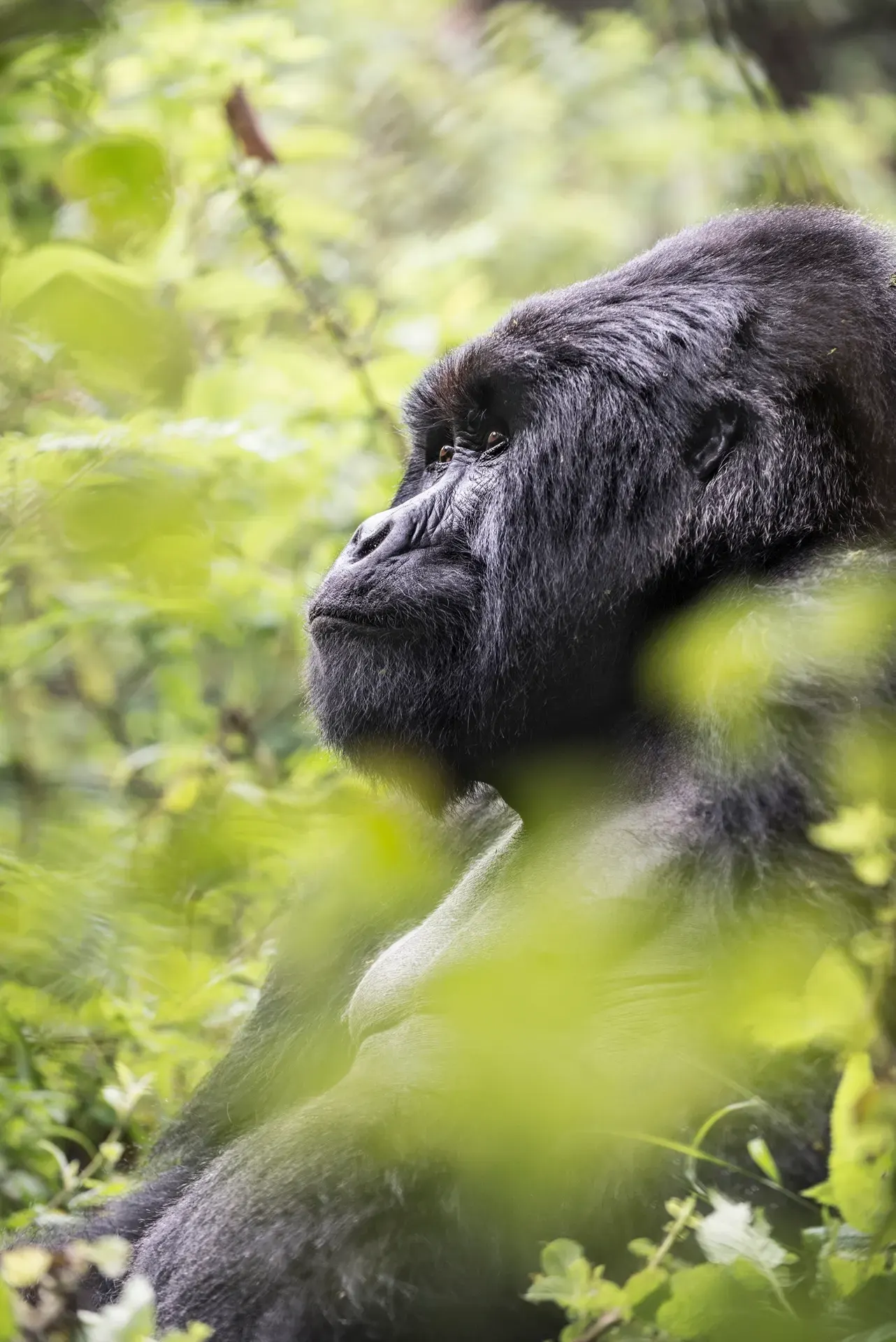
Rwanda is a small, compact country, often called the "Land of a Thousand Hills." Its primary advantage is accessibility. Volcanoes National Park is located just a 2.5 to 3-hour drive from Kigali International Airport on well-maintained, paved roads.
This proximity means you can theoretically fly into Kigali, drive to the park, trek the next morning, and fly out the following day. It is the perfect destination for a short, standalone gorilla add-on to a broader African itinerary (like a migration safari in Kenya or Tanzania).
Uganda: The Journey is the Destination
Uganda is a much larger country, and reaching the gorillas requires more travel time. Bwindi Impenetrable National Park is located in the far southwest of the country. If you fly into Entebbe International Airport, the drive to Bwindi takes approximately 8 to 10 hours.
However, this long drive is often viewed as a highlight rather than a chore. It takes you through the heart of Uganda, crossing the equator, passing through vibrant villages, and offering views of terraced hillsides and savanna parks. It is a true overland safari experience.
For those who prefer to skip the long drive, Uganda offers excellent domestic flight connections. You can take a 1.5-hour scheduled flight from Entebbe to Kihihi or Kisoro airstrips, located just outside Bwindi.
The Kigali to Bwindi Hack: An increasingly popular option for 2026 is to fly into Kigali, Rwanda, and drive across the border into Uganda to trek in Bwindi. This drive takes only 4 to 5 hours, combining the accessibility of Kigali with the lower permit costs of Uganda.
Explore our Rwanda-Uganda combined tours to see how you can maximize your time and budget.
3. Trekking Difficulty and Terrain
The physical experience of tracking the gorillas differs significantly between the two countries due to their distinct topographies.
Rwanda: The Bamboo Forests of Volcanoes
Volcanoes National Park in Rwanda is characterized by its, well, volcanoes. The gorillas here primarily inhabit the bamboo forests on the lower slopes of the Virunga Massif.
The terrain is generally more open, and the bamboo allows for more light to penetrate the canopy. While you are hiking at a high altitude (which can cause shortness of breath), the undergrowth is less dense than in Uganda. The trails are often clearer, and the trekking time is frequently shorter, sometimes taking only 1 to 3 hours round trip. This makes Rwanda a slightly better option for older travelers or those concerned about their fitness levels.
Uganda: The Impenetrable Forest
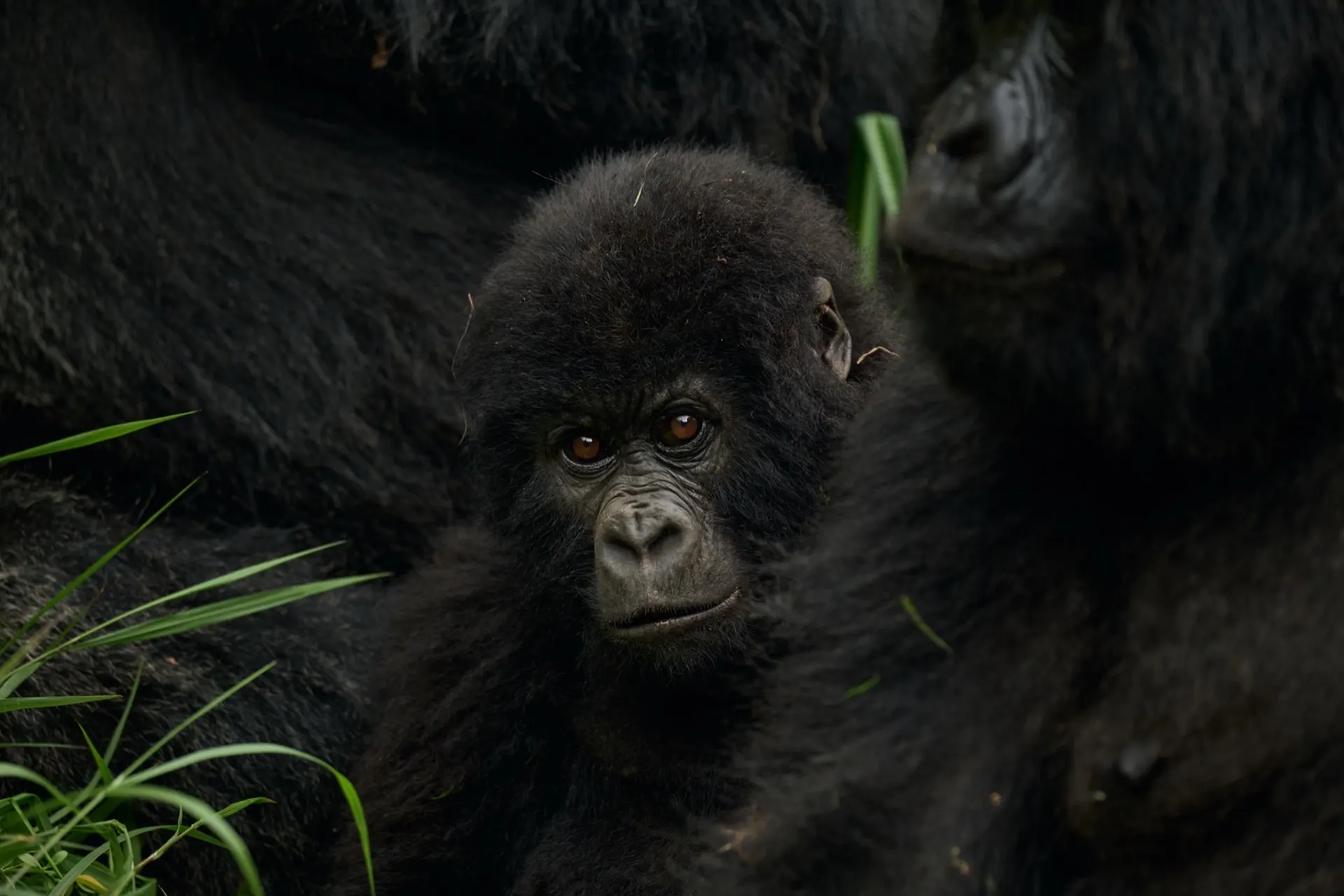
Bwindi Impenetrable National Park lives up to its name. It is a dense, ancient, and incredibly biodiverse rainforest. The terrain is characterized by steep ridges, deep valleys, and thick vegetation.
Trekking in Bwindi is generally considered more physically demanding. You will be hiking up and down steep, muddy slopes, often forging new paths through the thick undergrowth with the help of rangers wielding machetes. The trek can take anywhere from 2 to 6 hours or more.
However, many travelers prefer the wild, untamed feel of Bwindi. It feels like a true expedition into the heart of the African jungle. The sense of accomplishment when you finally part the vines and see a silverback is immense.
It is also worth noting that Uganda has a second gorilla park: Mgahinga Gorilla National Park. Mgahinga is part of the same Virunga Massif as Rwanda's Volcanoes National Park and offers a very similar trekking experience (bamboo forests, open terrain) but at the Ugandan permit price of $800.
4. The Gorilla Families and Viewing Experience
Both countries offer a 99% success rate in finding the gorillas. The trackers are incredibly skilled and know exactly where the families nested the previous night.
Number of Habituated Families
Uganda is home to more than half of the world's remaining mountain gorilla population. Consequently, it has more habituated gorilla families available for trekking. Bwindi has over 20 habituated families spread across four distinct sectors (Buhoma, Ruhija, Rushaga, and Nkuringo), plus one family in Mgahinga. This high number of families means more permits are available daily, making it easier to secure a spot, even during peak seasons.
Rwanda has 12 habituated gorilla families available for tourism in Volcanoes National Park. Because there are fewer families and a high demand for the luxury experience, permits in Rwanda can sell out very quickly.
The Viewing Experience
The actual hour spent with the gorillas is strictly regulated in both countries to minimize stress and the risk of disease transmission. You must maintain a distance of at least 7 meters (23 feet), though the gorillas themselves often ignore this rule and may approach you.
In Rwanda, the open bamboo forest often provides clearer lines of sight and better lighting for photography. The gorillas are frequently found in clearings, making it easier to capture that perfect shot.
In Uganda, the dense canopy of Bwindi can make photography more challenging due to lower light levels and thick vegetation. However, the dark, emerald-green backdrop of the ancient rainforest creates incredibly atmospheric and moody photographs. The experience in Bwindi often feels more intimate and wild.
5. Accommodation Options
Both destinations have developed excellent tourism infrastructure, but they cater to slightly different markets.
Rwanda: The Pinnacle of Luxury
Rwanda has deliberately positioned itself as a high-end destination. The area surrounding Volcanoes National Park is home to some of the most luxurious and exclusive lodges in Africa, such as Bisate Lodge, Singita Kwitonda, and One&Only Gorilla's Nest. These properties offer unparalleled luxury, fine dining, and exceptional service, with price tags to match. While there are mid-range options available, the focus is heavily on the luxury sector.
Uganda: Options for Every Budget
Uganda offers a much broader spectrum of accommodation. While it boasts its own world-class luxury lodges (like Sanctuary Gorilla Forest Camp, Clouds Mountain Gorilla Lodge, and Bwindi Lodge), it also has a vast array of excellent mid-range and budget-friendly options.
Because Bwindi is divided into four sectors, there are lodges scattered all around the park, catering to backpackers, families, and luxury seekers alike. This variety makes Uganda a much more accessible destination for travelers who want a high-quality experience without the premium price tag.
6. Beyond the Gorillas: Combination Safari Options
Gorilla trekking is usually the highlight of a trip, but what else can you do in the country? This is where Uganda truly shines.
Uganda: The Complete Safari Destination
Winston Churchill famously called Uganda the "Pearl of Africa," and for good reason. It is one of the most biodiverse countries on the continent. Beyond the gorillas, Uganda offers a complete, classic African safari experience.
- Chimpanzee Trekking: Kibale National Park is arguably the best place in the world to track wild chimpanzees.
- Savanna Safaris: Queen Elizabeth National Park and Murchison Falls National Park offer excellent game viewing, including tree-climbing lions, elephants, leopards, and massive herds of buffalo.
- Boat Safaris: The Kazinga Channel and the base of Murchison Falls provide incredible boat safaris, teeming with hippos, crocodiles, and the highest concentration of hippos in Africa.
- Adventure: Jinja, the source of the Nile, offers world-class white-water rafting.
You can easily spend two to three weeks in Uganda and experience a different ecosystem every few days. Check out our comprehensive Uganda safari packages to see the possibilities.
Rwanda: Niche and Specialized
Rwanda is smaller and has fewer national parks. While it is working hard to develop its other wildlife destinations, it cannot quite match the sheer variety of Uganda.
- Chimpanzees: Nyungwe Forest National Park offers good chimpanzee trekking, though the canopy is very high, making viewing sometimes difficult.
- Savanna: Akagera National Park is a beautiful, recovering savanna park where the Big Five have been reintroduced, but the wildlife densities are lower than in Uganda or Kenya.
- Culture: Rwanda excels in cultural and historical tourism, particularly the poignant Kigali Genocide Memorial, which is a must-visit.
Rwanda is excellent for a short, focused trip, but Uganda is better suited for a comprehensive, multi-week safari.
7. The Verdict: Which is Better?
The truth is, there is no single "better" option. Both Uganda and Rwanda offer life-changing encounters with mountain gorillas. The right choice depends entirely on your budget, your travel style, and what else you want to get out of your African adventure.
Choose Rwanda If:
- Time is your biggest constraint. You want to fly in, see the gorillas, and fly out within 3-4 days.
- Budget is not an issue. You are happy to pay the $1,500 permit fee and want to stay in ultra-luxury lodges.
- You prefer an easier hike. You want the highest chance of a shorter, less strenuous trek in more open terrain.
- You are adding gorillas to a larger safari. It is an easy add-on to a Kenya or Tanzania trip.
Choose Uganda If:
- You want the best value for money. The $800 permit saves you $700, which can be used to upgrade your trip or stay longer.
- You want a complete African safari. You want to combine gorillas with chimpanzees, lions, elephants, and boat cruises in one country.
- You crave a wild, adventurous trek. You love the idea of hiking through a dense, ancient rainforest.
- You want to do the Habituation Experience. Spending four hours with the gorillas is an opportunity unique to Uganda.
Our Honest Recommendation for 2026
For the vast majority of travelers, Uganda offers the superior overall value and a more comprehensive safari experience.
The $700 saving on the permit is simply too significant to ignore. When you factor in that Uganda allows you to experience classic savanna game drives, world-class chimpanzee trekking, and the gorillas all in one itinerary, it becomes the clear winner for anyone looking for a full African adventure.
Furthermore, the logistical advantage of Rwanda (the short drive from Kigali) can easily be applied to Uganda. By flying into Kigali and driving across the border to Bwindi, you get the best of both worlds: short travel times and affordable permits.
Ultimately, whether you choose the misty volcanoes of Rwanda or the impenetrable forests of Uganda, sitting in the presence of a wild mountain gorilla will be an experience that stays with you forever.
Ready to plan your gorilla trekking adventure?
Let the experts at Still Wild Safaris craft the perfect itinerary for you. Whether you want to maximize value in Bwindi or combine the best of both countries, we have the local knowledge to make it happen.
Start Your Journey Today!Sign up for our newsletter to receive a free, detailed comparison guide, exclusive safari discounts, and expert tips on planning your 2026 gorilla trek. Enter your email below to unlock your African adventure!
Frequently Asked Questions (FAQ)
1. Is the gorilla viewing experience better in Rwanda because the permit is more expensive?
No, the actual viewing experience is very similar in both countries. In both Uganda and Rwanda, you are limited to exactly one hour with the gorillas, and the group size is capped at eight people per gorilla family. The price difference in Rwanda reflects its strategy of high-end, low-volume tourism and its superior accessibility from the capital, rather than a "better" view of the gorillas.
2. Can I trek in Uganda if I fly into Kigali, Rwanda?
Yes, this is a very popular option. You can fly into Kigali International Airport and drive approximately 4–5 hours across the border into Uganda's Bwindi Impenetrable National Park or Mgahinga Gorilla National Park. This allows you to benefit from Rwanda's shorter travel times and Uganda's more affordable permit prices ($800 vs $1,500).
3. Which country is safer for gorilla trekking?
Both Uganda and Rwanda are considered very safe for international travelers. The gorilla trekking areas in both countries are heavily protected by specialized tourism police and park rangers. Both nations prioritize the safety of tourists as a key part of their national economy and conservation efforts.
4. Is the trekking difficulty really that different between Bwindi and Volcanoes NP?
Generally, yes. Bwindi Impenetrable National Park in Uganda has more rugged, steep terrain with denser vegetation, often requiring more physical exertion. Volcanoes National Park in Rwanda has more open bamboo forests, which can make the hike feel less claustrophobic and often results in shorter trekking times. However, "difficulty" is subjective and can vary significantly depending on which specific gorilla family you are assigned to on the day.
5. Are there discounts for gorilla permits in the low season?
Currently, neither Uganda nor Rwanda offers significant "low season" discounts on gorilla permits for international tourists. The prices remain fixed at $800 in Uganda and $1,500 in Rwanda year-round. However, you can save significantly on accommodation and some transport costs by traveling during the rainy seasons (March–May and October–November).